IOC President Accused by Dominik Hašek of Allowing Russian War Propaganda

Dominik Hašek's Response to the IOC's Decision
According to Главком: Czech hockey legend Dominik Hašek, an Olympic gold medalist in 1998 and two-time Stanley Cup champion (2002 and 2008), has publicly criticized the International Olympic Committee's (IOC) move to temporarily lift the suspension of the Russian Olympic Committee (ROC). The ban, originally imposed on October 12, 2023, was lifted following a review by the IOC's Legal Affairs Commission. The IOC Executive Board has recommended easing restrictions on Russian athletes' participation.
Since Russia's full-scale invasion of Ukraine, Hašek has been a vocal opponent of allowing Russian and Belarusian athletes to compete internationally. He expressed his frustration with the decision, stating:
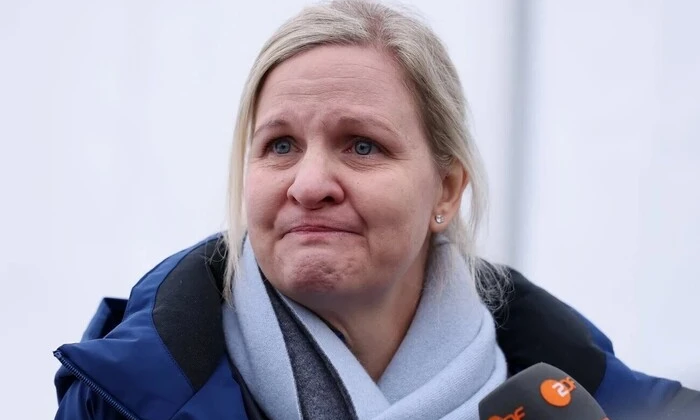
'Kirsty Coventry, the head of the IOC, has enabled widespread propaganda for Russia's imperialist war across all competitions. From now on, this woman bears responsibility for prolonging the war and the deaths of countless Ukrainians and Russians. Treat her accordingly.' Dominik Hašek
The ROC has confirmed that it does not operate within territories under the jurisdiction of the National Olympic Committee of Ukraine. Meanwhile, the IOC Executive Board says it will continue monitoring the situation and reserves the right to impose further measures if needed. Decisions regarding the use of the Russian flag, anthem, colors, or symbols at the Olympic Games will be made at a later date.
Debate Surrounding the IOC's Decision
The IOC's decision has sparked widespread debate among athletes, sports officials, and the public, as it involves the participation of athletes from countries actively engaged in military conflicts. With the war in Ukraine ongoing, the question of Russian athletes competing in international events remains highly sensitive and politically charged.
- The situation may evolve depending on political developments.
- Reactions from other nations and sports organizations will also shape future decisions.
The ongoing debate surrounding the IOC's decision highlights a broader trend in international sports governance, particularly as organizations like FIFA and UEFA grapple with similar challenges. Their recent reluctance to reinstate Russia amid concerns of potential boycotts reflects the complexities of balancing competitive integrity with geopolitical realities. For a deeper understanding of how these sports federations are responding to the situation, you can read more about their stance regarding Russia's participation.

Read also