Gazprom Reports Profit Amid EU Sanctions: What the Numbers Really Reveal

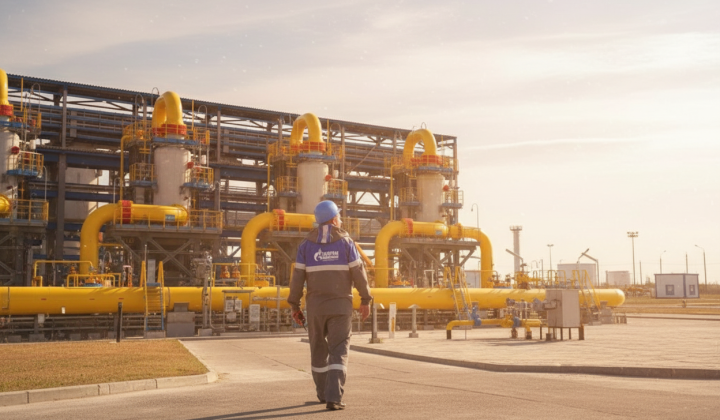
Gazprom's Financial Performance in Q1 2026
According to Главком: Gazprom declared a net profit of 147.5 billion rubles in the first quarter of 2026, but this apparent growth is largely a paper gain driven by a reduction in other expenses. Compared to Q1 2025, when the company recorded a loss of 18.1 billion rubles, this year's results seem positive. However, the company's revenue has stagnated at 1.79 trillion rubles, barely changed from 1.80 trillion rubles a year earlier. The main factor behind these financial results was a tariff hike for Russian consumers. In 2025, domestic gas tariffs rose by an average of 14.85%, and under the macroeconomic forecast from Russia's Ministry of Economic Development, tariffs are set to increase by another 27.9% between 2026 and 2028.
Market Challenges and Shifts
A key element boosting net profit was Gazprom's reduction in other expenses, which fell sharply from 626.8 billion rubles to 177.4 billion rubles. Yet, this does not offset the company's broader financial struggles. Gas deliveries to the EU via the TurkStream pipeline rose to 4.98 billion cubic meters in Q1, indicating some sustained external demand, but overall export volumes remain under pressure.
A major development is the European Union's ban on imports of Russian pipeline gas, set to take effect in June 2026. This restriction will initially apply to short-term contracts, expanding to long-term agreements from 2027. Such measures could severely impact Gazprom's financial outlook, especially since the company already posted a net loss of around 629 billion rubles in 2023.
Furthermore, oil and gas revenues as a share of Russia's federal budget dropped from 40% in 2022 to 25% in 2025, signaling a gradual decline in the sector's importance to the national economy.
In short, despite Gazprom's reported profit, the underlying figures point to a precarious financial situation driven by shrinking export opportunities, rising domestic tariffs, and impending EU restrictions.
Source: analytical report
This situation underscores the urgent need for Gazprom to adjust its strategy amid intensifying competition and shifting international policies, which could profoundly affect its long-term prospects. The company's performance also carries significant implications for Russia's economy, given the diminishing contribution of oil and gas revenues to the state budget.
As Gazprom navigates its financial recovery amidst EU sanctions, it's noteworthy that imports of Russian LNG by the EU have surged by 17% in the first quarter of 2026. This increase highlights a complex dynamic in energy markets, where demand for liquefied natural gas remains strong even as pipeline supplies face restrictions. For a deeper understanding of this trend and its implications, explore our article on EU's rising LNG imports.

Read also