May 2024's G5 Geomagnetic Storm Breached Earth's Radiation Shield, Scientists Warn of Serious Risks

Space Hazard: Earth’s Radiation Barrier Compromised
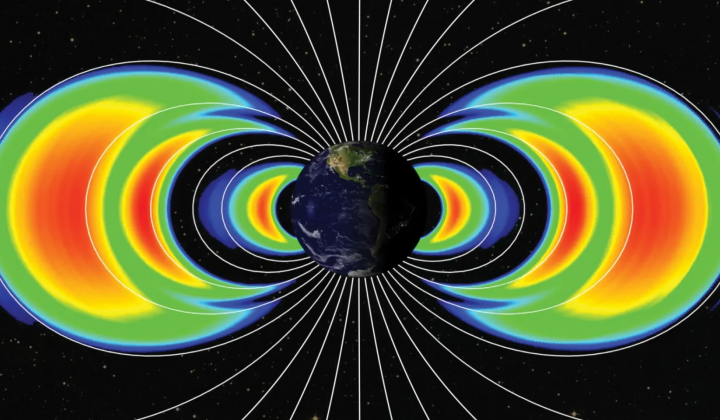
According to НВ — Техно: On November 2, 2024, researchers revealed that during the intense G5-class geomagnetic storm in May 2024, a powerful solar event penetrated Earth's radiation barrier. This breach allowed hazardous relativistic electrons to enter the inner Van Allen radiation belt, previously regarded as an impenetrable protective layer. Located roughly 19,000 km from Earth's center, this belt was believed to effectively block extremely energetic electrons. However, the recent solar storm proved that this radiation shield is not infallible.
Consequences for Technology and Scientific Study
The storm generated electromagnetic chorus waves, which locally accelerated electrons within the inner belt. The flux of ultra-relativistic particles, with energies near 3 megaelectronvolts, surged by over 5,000 times compared to normal levels. This posed a significant threat to satellites in orbit, sensitive microelectronics, and astronaut health. Elevated radiation levels persisted for several months, lasting until further solar flares emerged in the fall of 2024.
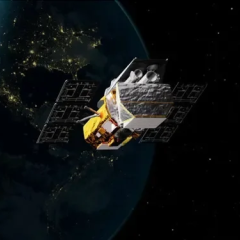
These findings came from data collected by Japan's Arase spacecraft and were published in the journal Geophysical Research Letters. The study, led by Yoshizumi Miyoshi of Nagoya University, highlights the critical importance of understanding extreme space weather phenomena.
'Grasping these severe space weather events is essential for designing robust protections for future space missions and accurately forecasting orbital hazards.' – Yoshizumi Miyoshi
This breakthrough offers new insights for advancing space exploration safety and deepening our knowledge of the near-Earth environment.
Given the increasing number of space missions, continuous monitoring of space weather is vital. Geomagnetic storms can heavily impact terrestrial and space-based technologies. Understanding radiation risks is crucial to safeguarding astronauts and ensuring satellite functionality. Ongoing research could pave the way for innovative protective technologies against cosmic threats.

Read also