Ukrainian Lawmaker Accuses 'Yabko' Retail Chain of Smuggling and Tax Evasion

Allegations Against the Yabko Retail Chain
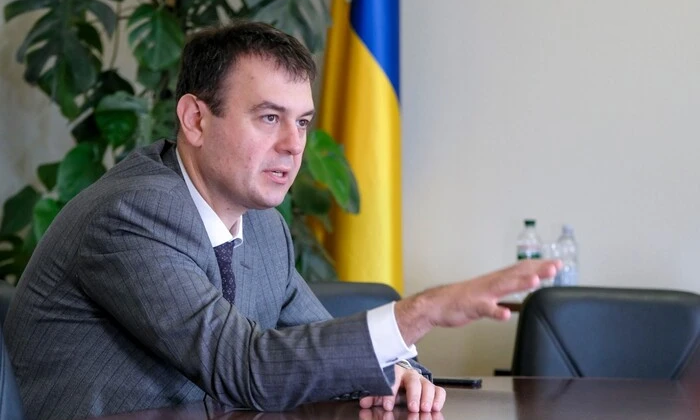
According to Главком: Danilo Hetmantsev, head of the parliamentary finance committee, has publicly accused the Yabko retail network of selling smuggled goods and evading taxes. In response to these allegations, law enforcement authorities have conducted searches at Yabko stores. Hetmantsev stated that the network's actions have made it a notorious example of misconduct. This case highlights ongoing challenges with the shadow economy in Ukraine's retail sector.
IMF Concerns and Other Retailers
Hetmantsev claims that Yabko continues to sell contraband, and that law enforcement has failed to bring previously opened cases to a conclusion. He also noted that other retail chains, such as Marketopt and Spar, are similarly avoiding Value Added Tax (VAT). This widespread practice, he warned, could prompt the International Monetary Fund (IMF) to demand the cancellation of VAT exemptions for all individual entrepreneurs in Ukraine.
The lawmaker argued that the beneficiaries of smuggling are not consumers but 'middlemen,' as legal importers operate on thinner margins. He emphasized that the profit differential ends up in the pockets of corrupt officials who enable these activities. Hetmantsev pointed to substantial evidence that Yabko operates in the 'shadows,' as it does not officially import any products, including iPhones. He urged law enforcement to work more effectively, as the shadow economy continues to thrive.
The Yabko retail chain has not yet issued a public comment on these accusations. Notably, the network was listed among the country's major taxpayers based on 2025 results, underscoring its significant role in the economy. The tax evasion investigation is ongoing.
This situation reflects the complex and persistent issues of smuggling and tax evasion in Ukraine, which have serious consequences for the national economy. The involvement of law enforcement and public scrutiny of such cases could be crucial steps toward increasing business accountability and improving tax discipline. Furthermore, the potential reaction of international financial institutions like the IMF could influence state economic policy and alter the rules for all market participants.

Read also