Kyiv Region Community Set to Vote on Switching Church From Moscow-Linked to Ukrainian Orthodox Jurisdiction

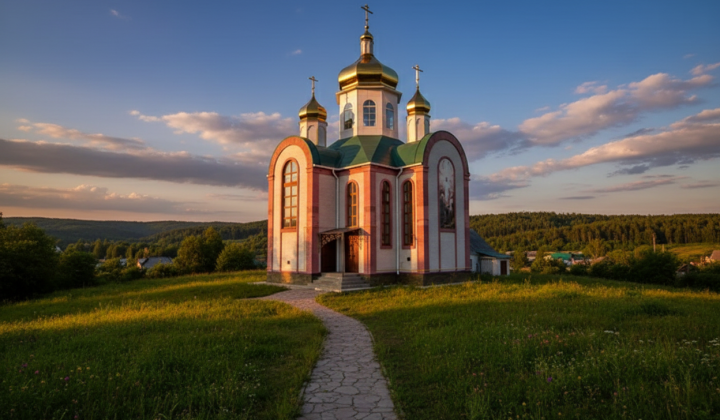
Religious Community Meeting in Kolonshchyna
According to Главком: On May 30, the village of Kolonshchyna in the Kyiv region will host a gathering of its religious community to decide whether to transfer the local Church of St. John the Theologian from the Moscow Patriarchate to the Orthodox Church of Ukraine. The meeting will take place at the House of Culture, located at 2 Shevchenko Street. The primary goal is to determine the church’s future and select a new ecclesiastical affiliation.
Local residents will have the opportunity to voice their opinions and vote on the jurisdictional change. For the community to switch, at least two-thirds of those present must support the move. Additionally, every member of the religious community must sign off on the decision to change allegiance, underscoring the importance of collective choice.
Broader Religious Shifts in Context
Against this backdrop, it is worth noting that the Kyiv Metropolis of the Ukrainian Orthodox Church (Moscow Patriarchate) has filed a lawsuit against the State Service of Ukraine for Ethnopolitics and Freedom of Conscience. Church officials are seeking to have a directive issued by the State Service on July 17, 2025, declared unlawful and overturned. Meanwhile, the service has re-examined the matter of a religious studies review of the UOC’s charter to assess its ties to the Moscow Patriarchate, complying with a ruling from the Sixth Administrative Court of Appeals.
As of late March 2026, no organization that ignored the directive to eliminate signs of affiliation has been shut down through court proceedings. This highlights the ongoing relevance of religious autonomy and communities’ rights to freedom of worldview, as enshrined in Article 35 of the Constitution: 'Everyone has the right to freedom of personal philosophy and religion.' The Kyiv Metropolis of the UOC MP maintains that its position is justified under international legal instruments and rulings from the European Court of Human Rights.
Thus, the religious community meeting in Kolonshchyna reflects wider trends in Ukrainian society concerning the autonomy of religious organizations and their ability to independently determine their jurisdictional allegiance.
This gathering could mark a significant step in the evolution of Ukraine’s religious landscape, as questions of church jurisdiction grow increasingly pressing. Changes in religious affiliation may influence the social and political climate in the region, as well as relations among different faith communities. At the same time, this process may be part of a broader movement toward religious autonomy, mirroring society’s desire for greater independence in shaping its religious identities.

Read also