Citizenship of Malta: how to obtain it and the requirements

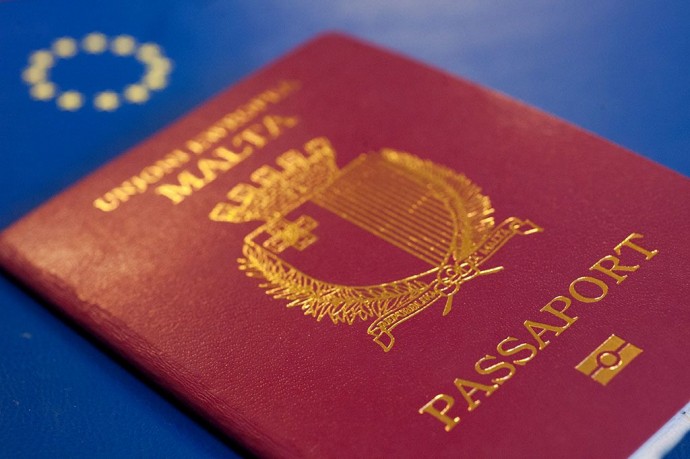
Malta remains a favorable option for many, including Ukrainians looking for the best migration options for themselves.
Malta's citizenship provides legal status as a citizen of a member state of the European Union and is associated with the right to enjoy the rights provided by Maltese and European legislation.
The procedure for acquiring citizenship is primarily regulated by the Maltese Citizenship Act, Chapter 188, and the specific method depends on the applicant's grounds: residence in the country, family descent, marriage to a Maltese citizen, or compliance with specific provisions for citizenship by merit.
What advantages does Maltese citizenship provide?
In 2025, Maltese rules underwent fundamental changes following the European Court of Justice ruling in case C-181/23. The previous mechanism, widely described as obtaining Maltese citizenship through investment, was halted. The legislation no longer applies the former model under which citizenship could be obtained through a defined investment scheme with a set of financial contributions and property conditions. Instead, the legislation provides for naturalization based on exceptional merits, which has an individual and discretionary nature.
Therefore, in 2026, it is important to distinguish between citizenship and residence permits. Malta's investment programs in the area of residency and citizenship acquisition rules are not the same mechanism. Having property, investments, or a business in Malta does not itself mean automatic acquisition of citizenship. For most foreigners, the standard route remains naturalization after a legally established period of residence and meeting other requirements.
Maltese citizenship is significant primarily because Malta is a member state of the European Union. A Maltese citizen simultaneously holds the status of an EU citizen, thus enjoying the rights arising from European Union legislation.
Practical opportunities include:
- the right to reside permanently in Malta as a citizen of the state;
- the ability to enjoy rights of an EU citizen;
- the opportunity to reside, work, or study in other EU countries according to the rules applicable to EU citizens;
- the right to participate in legally defined elections and other political processes in Malta;
- the possibility of obtaining a Maltese passport after acquiring citizenship;
- the right to pass citizenship to children under the conditions provided by Maltese legislation.
Malta has a developed education and healthcare system, and its EU membership creates additional opportunities for mobility within the European space. However, citizenship should not be equated with automatic entitlement to any social benefits or allowances in every EU country. Specific rights depend on the place of residence, work, study, and the relevant norms of European and national legislation.
Another important advantage is the possibility of retaining other citizenships. Maltese legislation permits dual and multiple citizenship. However, the final decision also depends on the legislation of the other state whose citizenship the applicant has or plans to retain. Therefore, it is necessary to check the rules of the country of current citizenship before submitting documents.
Acquiring a Maltese passport does not mean that all formalities are completed on the day of a positive citizenship decision. Initially, a person acquires citizenship status based on the relevant certificate and can then apply for a passport and other documents.
Who can obtain Maltese citizenship?
Maltese legislation provides for several categories of individuals who can acquire citizenship. The grounds differ significantly, so the same requirements do not apply to all applicants.
A foreigner without Maltese descent or family ties with a Maltese citizen may consider naturalization based on residence. For an adult applicant, the law provides, among other things, for residence in Malta for 12 months immediately before submitting the application and a total of no less than four years within the six years preceding that last year. The character of the applicant, knowledge of the Maltese or English language, and their eligibility for acquiring citizenship are also taken into account.
It is important to note that fulfilling formal criteria does not guarantee automatic approval. The decision on naturalization is made in accordance with the established legal process, and the responsible minister has discretionary powers regarding granting or refusing citizenship.
A separate category comprises individuals with Maltese parents, ancestors, or any other legally defined connection with Malta. In such cases, citizenship can be obtained through descent or registration, and the procedure depends on the date of birth, citizenship of the parents, and other circumstances.

Another pathway is marriage. A foreign husband or wife of a Maltese citizen may apply for registration as a citizen after at least five years of marriage, provided that the spouses continue to live together. The law also includes specific rules for widows and widowers of Maltese citizens.
For individuals with exceptional professional, scientific, cultural, sporting, or entrepreneurial achievements, a naturalization mechanism based on merit exists following the 2025 changes. This is not a standard investment program and does not guarantee citizenship for a specific amount of funds.
Thus, the right to submit an application depends not only on financial capabilities. Important factors may include the duration of residence, family ties, marital status, the citizenship of parents, professional profile, and other circumstances explicitly provided by Maltese legislation.
Main ways to obtain citizenship
The Maltese system provides several legal mechanisms for acquiring citizenship. For foreigners without Maltese descent, naturalization based on residence is usually the most relevant. For people with Maltese relatives, descent is significant. For the spouses of Maltese citizens, registration is provided on a special basis.
Additionally, the changes in 2025 must be taken into account. The former regime of acquiring citizenship for exceptional services through direct investments has been discontinued. Therefore, information presented in 2026 proposing specific investment amounts as a guaranteed path to Maltese citizenship may pertain to already obsolete regulations.
Naturalization
Naturalization based on residence is one of the main routes for a foreigner who does not have the right to citizenship by descent or registration.
For an adult applicant, the main conditions include:
- being a foreigner or a stateless person;
- residing in Malta for 12 months immediately prior to the date of application;
- having a total residence period of at least four years within the six years preceding the last 12-month period;
- having good character;
- proficiency in the Maltese or English language at the required level;
- meeting the eligibility criterion for acquiring Maltese citizenship.
To confirm the residence period, the applicant must provide documents that establish actual residence in Malta. Before applying, the Komunità Malta Agency issues the appropriate residence certificate. This involves using current and previous passports that cover the applicant's period of residence in the country.
After verifying the documents, the applicant proceeds to prepare the application itself. For the naturalization procedure, two sponsors who are not relatives of the applicant are also required. One of them must belong to the professions or categories defined by law, such as being a member of parliament, a judge, a magistrate, a lawyer, a notary, a doctor, a specific civil servant, or a representative of other defined categories. The second sponsor may be a Maltese citizen who meets the established requirements.
After submitting the documents, the verification and oath procedures are conducted. In the case of a positive decision, the person is naturalized as a Maltese citizen. The date of acquiring citizenship is considered to be the date indicated in the naturalization certificate.
It is important to consider that the law does not create an automatic right to citizenship merely by fulfilling the required residence period. Fulfilling the conditions allows the application to be submitted, after which the competent authorities assess it in accordance with the law.
By descent
Citizenship by descent may be available to individuals who have a father, mother, or ancestors with Maltese citizenship or appropriate legal status. Specific rules depend on the generation, date of birth, and the basis on which the Maltese relative held citizenship.
For individuals born outside Malta, documentary evidence of the family chain is of special importance. A single surname or verbal information about a Maltese ancestor is insufficient. It is necessary to establish kinship with civil status documents.
In relevant cases, the following may be required:
- full birth certificate of the applicant;
- birth certificates of the parents;
- marriage certificate of the parents;
- documents of the Maltese ancestor's birth;
- documents of the marriage of the relevant relatives;
- passports or other documents confirming citizenship;
- documents that allow tracing the continuous family connection.
Separate provisions apply to the descendants of individuals born in Malta. Legislation allows for citizenship registration in certain cases for subsequent generations born outside the country. Special rules regarding the transfer of citizenship to the descendants of the person who acquired Maltese citizenship by registration based on descent must also be taken into account.
For applicants with Maltese roots, the procedure often depends on the details of family history. The date of birth of each generation, the way the relative acquired citizenship, and the fact of retention of this citizenship may change the legal basis of the application.
Through marriage
Marriage to a Maltese citizen is a separate basis for citizenship registration. However, the mere act of marriage does not mean automatic acquisition of citizenship.
For a foreign husband or wife of a Maltese citizen, the basic requirement is at least five years of marriage. At the time of application, the spouses must remain married and live together. The law also includes special rules for widows or widowers of Maltese citizens when the marriage and cohabitation meet the established conditions.
To confirm the basis, the following documents may be required:
- joint declaration or affidavit of the spouses;
- Maltese marriage certificate;
- full birth certificate of the applicant;
- passport or identification document;
- documents of the Maltese husband or wife;
- birth certificate of the Maltese spouse;
- documents of previous marriages if needed;
- documents confirming the Maltese spouse's family connection with their parents.
Within the procedure, the agency verifies the documents, after which the applicant and, where applicable, their Maltese husband or wife complete the necessary joint declaration. Following the successful completion of the procedure, the individual is registered as a Maltese citizen.
The important aspect is the actual cohabitation. A formally registered marriage that does not meet the legal conditions does not create an automatic right to citizenship registration.
For exceptional merits through investments
In 2026, this basis must be considered taking into account the fundamental changes in Maltese legislation. The former program Granting of Citizenship for Exceptional Services by Direct Investment, previously associated with obtaining citizenship through investment, was halted following the EU Court's ruling in case C-181/23 and amendments to the Maltese Citizenship Act in 2025.
Instead, the legislation provides for naturalization based on merit. This mechanism is not a scheme of 'citizenship in exchange for investment' with a predetermined package of payments. The decision is made individually, and the basis can be exceptional services, exceptional contributions, or exceptional interest for Malta or humanity.
The areas explicitly mentioned in the current legislation include science and research, technology, sports, entrepreneurship, job creation, culture and art, charity, and other fields that are important to national interests.
Therefore, possessing substantial capital, acquired real estate, or an investment portfolio does not itself create a guaranteed basis for acquiring citizenship. The exceptional nature of professional contribution, achievements, or potential benefits for Malta is what matters.
The procedure is individualized and prescribes the evaluation of the candidate's qualifications. The legislation also provides for oversight mechanisms for the relevant process. Thus, old proposals promising Maltese citizenship following a fixed investment requirement do not fit the current model for 2026.
What documents need to be prepared
The list of documents depends on the method of acquiring citizenship. Different forms and requirements apply for naturalization, marriage registration, and confirmation of descent.
Typically, the main package may include:
- valid passport;
- previous passports if needed for confirming residence;
- full birth certificate;
- marriage certificate if relevant for the procedure;
- documents regarding parents' citizenship;
- documents of birth and marriage of the parents;
- documents confirming residence in Malta;
- documents regarding family connections with a Maltese citizen;
- photographs of the established format;
- documents for name or surname change if applicable;
- required declarations, affidavits, and oaths.
Documents issued by foreign authorities may require an official translation into English or Maltese and proper certification depending on the country of issuance and the specific procedure.
For naturalization based on residence, it is especially important to confirm the required period of stay. A residence permit alone may not be sufficient to resolve all issues regarding the actual history of residence, so the agency verifies the relevant documents and passports.
For citizenship by descent, the main task is to document the entire chain of kinship. If there are several generations between the applicant and the Maltese ancestor, documents regarding each link must be provided.
For the procedure through marriage, the primary importance lies in the documents of both spouses. The agency may require confirmation that the marriage has lasted the necessary period and that the spouses live together.
Documents must contain consistent personal data. Discrepancies in the spelling of names, surnames, dates of birth or marital status may require additional confirmations. Therefore, it is advisable to check the entire package and ensure that the documents form a coherent evidential basis before submitting the application.
How the application procedure works
The procedure depends on the legal basis but generally involves several sequential stages.
Initially, the basis for acquiring citizenship is established. For a foreigner without Maltese descent, this is usually a matter of naturalization after the necessary residence. If there are Maltese parents or ancestors, the possibility of registration by descent is checked. For spouses of Maltese citizens, the corresponding registration procedure is applied.
The next stage is document preparation. It is important not to limit oneself to just the main application since the authorities may require proof of residence, kinship, marital status, and other circumstances.
For naturalization through residence, before submitting the application to the agency, it is necessary to complete the residence period confirmation procedure. The applicant submits their current passport and previous passports covering the relevant period. After verification, a document confirming the right to further process the application is issued.
The agency then verifies the documents. The applicant confirms the correctness of the application and signs it. For naturalization based on residence, two sponsors meeting the established requirements are necessary.
An essential part of the procedure is the taking of duly established oaths. Among them is an oath of allegiance to the Republic of Malta. In cases where the application is submitted through a Maltese diplomatic representation, the relevant actions may be performed by authorized officials of the representation or other individuals who have the relevant authority under the law of the country of submission.
Upon completion of the verification processes, the authorized body makes a decision. If the application is approved, the individual receives a naturalization or registration certificate. The date indicated in the certificate has legal significance for acquiring citizenship in that case.
For individuals born outside Malta, additional formalities may arise regarding the registration of their birth in the Maltese Public Registry after citizenship is acquired.
Once citizenship is acquired, a Maltese passport can be issued. The passport is a document of the citizen, but its issuance is a separate administrative procedure following the confirmation of citizenship itself.
The duration of the process depends on the basis, completeness of documents, complexity of verification, and other circumstances. Therefore, establishing the same timeframe for all applicants is incorrect.
The procedure for naturalization on the basis of merit requires particular attention. It does not guarantee an automatic outcome following the fulfillment of a specific financial package. The application is reviewed individually, and the decision depends on the assessment of the exceptional contribution, services, or interest for Malta or humanity.
Is dual citizenship allowed?
Malta allows dual and multiple citizenships. Changes made to the legislation in 2000 ensured the possibility of being a citizen of Malta and another state at the same time. Therefore, a person acquiring Maltese citizenship by registration or naturalization can, in principle, retain their previous citizenship.
However, Maltese permission for dual citizenship does not imply automatic approval from the other country. Each state independently determines whether its citizen can voluntarily acquire another citizenship without losing the primary status.
For this reason, it is necessary to check the legislation of the country whose citizenship the applicant already possesses before submitting documents. In some countries, voluntarily acquiring foreign citizenship may have legal consequences, including the loss or termination of primary citizenship.
For a Maltese citizen who later acquires citizenship of another state, the rules of that other country may also apply. Maltese legislation does not impose a general prohibition on multiple citizenship.
Thus, in 2026, Maltese citizenship can be obtained in several legal ways, but the conditions differ significantly depending on the applicant's situation. The most common basis for a foreigner without Maltese descent remains naturalization after the established period of residence. For individuals with Maltese relatives, the rules for descent and registration are significant, while for the spouses of Maltese citizens, a separate mechanism is provided.
At the same time, the rules that were valid under the former investment model should not be transferred to 2026. Following legislative changes in 2025, citizenship by investment in the previous format has been terminated. The current legislation permits naturalization based on merit, but it is not a standard citizenship sale program for a fixed amount and requires individual assessment of exceptional contributions or interest to Malta.
Conclusion
The choice of a specific procedure depends on an individual's legal situation: duration of residence, descent, family ties, professional achievements, and other circumstances provided by law. Before preparing documents, it is necessary to establish the basis that corresponds to the applicant's actual circumstances and follow the current Maltese legislation requirements.
Overall, Malta remains attractive to all migrants. However, obtaining citizenship specifically in Malta involves navigating a rather complicated procedure.

Read also