UK Granted Authority to Halt Russian Vessels as Ukraine's Intelligence Publishes List of 51 Ships Funding the War

Targeting Russia's Maritime Operations
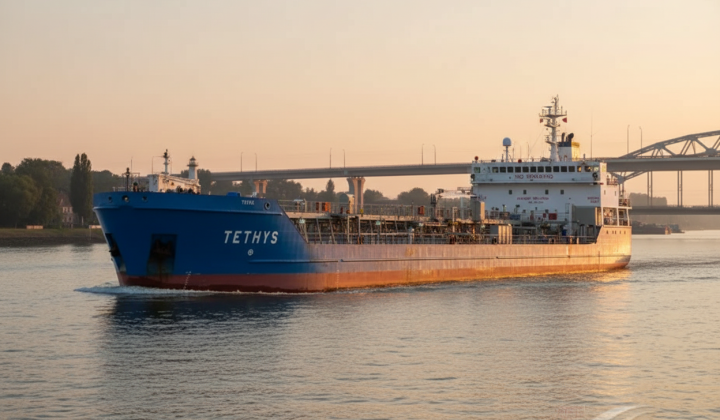
According to Главком: Ukraine's Main Directorate of Intelligence (GUR) has published a list of 51 Russian vessels it identifies as directly financing the ongoing war. The list, featured in the 'Maritime Vessels' section of the War&Sanctions portal, comprises oil export tankers and cargo ships that dock at occupied Ukrainian ports, including Mariupol and Kerch, on territory Russia has temporarily seized. This move comes as part of a broader international effort to disrupt the Kremlin's ability to fund its military campaign.
In a related development, the United Kingdom's armed forces have been granted new authority to stop and search Russian oil tankers within British territorial waters. The decision to authorize these interceptions was made by Prime Minister Keir Starmer. In response, Moscow is reportedly planning to expand its so-called 'shadow fleet' of tankers exporting oil under the Russian flag.
Mounting Pressure on Maritime Logistics
Increasingly frequent detentions of sanctioned vessels by EU nations and the United States highlight growing tensions in global maritime logistics. The GUR notes that 'Russia systematically exploits maritime logistics not only to export energy resources but also to plunder stolen Ukrainian goods-grain, ore, and coal.' This points to the aggressor state's attempts to integrate occupied territories into its own economic system by opening Ukrainian ports to foreign ships.
To conceal these activities, Russia employs schemes using vessels under the flags of third countries, including some that officially support Ukraine's sovereignty and territorial integrity.
The GUR also issued a direct warning to maritime crews: 'Participation in unlawful operations in Ukrainian ports constitutes complicity in aggression. Ship captains will inevitably face consequences for taking part in the occupying operations of the aggressor state.'
The published vessel list and the UK's new powers form part of the international community's efforts to constrict the resources Russia uses to wage war. The detention of sanctioned ships indicates significant pressure on maritime supply chains, which could impact Russian economic interests.
The deteriorating situation in this sphere is prompting nations to take more active measures against aggression and the financing of military actions. Coordinated efforts between states remain crucial for effectively countering these threats.
As the UK strengthens its maritime operations against Russian vessels, the implications of these actions are becoming increasingly significant. The recent authorization for interceptions of Russian oil tankers could escalate tensions further, prompting Moscow to respond with threats of retaliation. Understanding the broader context of these developments is crucial for grasping the ongoing geopolitical shifts in the region.

Read also