Kharkiv's Ongoing Ordeal: Over 10,000 Damaged Buildings and Russia's Evolving Arsenal

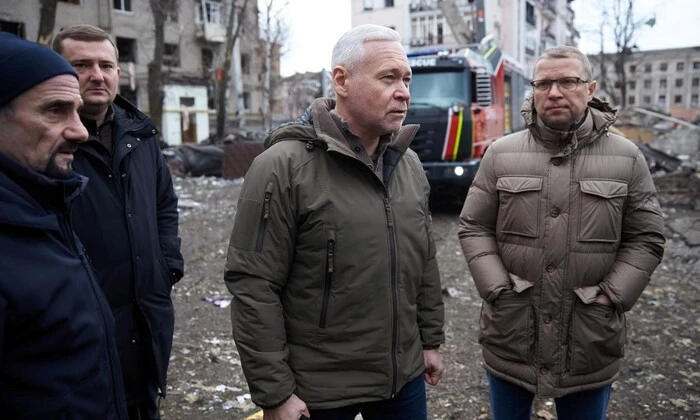
The Situation in Kharkiv
According to Главком: Kharkiv continues to endure the devastating aftermath of Russian strikes this winter, which have relentlessly targeted both the city's energy grid and residential areas. In an interview with 'Glavcom', Mayor Ihor Terekhov reported that more than 10,000 residential buildings have now been damaged-an increase of two thousand from last year. The city remains without consistent heating and electricity, while the frequent attacks now involve new types of weaponry deployed by Russian forces.
Recovery and Consequences
According to the information, roughly half of the damaged buildings are multi-story apartment blocks, with the other half being private homes. To date, repairs have been completed on 4,000 of these structures. However, over 40 residential buildings are beyond repair and must be demolished. Technical assessments are ongoing, and the overall situation remains extremely challenging.
The assault has also impacted a metro depot and train carriages that were above ground during the shelling. Ihor Terekhov noted that this depot was constructed during the Soviet era, when the possibility of such missile attacks was not anticipated. Since the first day of the full-scale invasion, Kharkiv has borne a heavy burden, and the mass bombardment of its energy infrastructure has left thousands of residents without heat. This city, located perilously close to the Russian border, has been one of the most consistently bombarded urban centers in Ukraine.
"Russian attacks are accompanied by an evolution in the types of weapons used," stated Ihor Terekhov.
Where missiles, guided aerial bombs, and 'Shahed' drones were previously used, the past year has seen these armaments actively combined with new types of unmanned aerial vehicles, such as the 'Molniya' (Lightning), 'Chernika' (Blueberry), and their analogues. These drones fly very low and quietly, in an apparent attempt to terrorize the civilian population. Kharkiv remains on the front line of the struggle against the aggressor.
The situation in Kharkiv reflects the broader context of the war in Ukraine, where civilian infrastructure continues to suffer catastrophic damage from military actions. Restoring damaged facilities demands significant resources and time, while presenting local authorities with new challenges amid sustained combat. Issues of security, energy independence, and humanitarian aid remain central, as the city strives to cope with the consequences of aggression and support its residents through these difficult times.

Read also