15 Real-World Cases: How Companies Use HR Analytics to Cut Costs and Boost Efficiency

The Role of HR Analytics in Modern Business
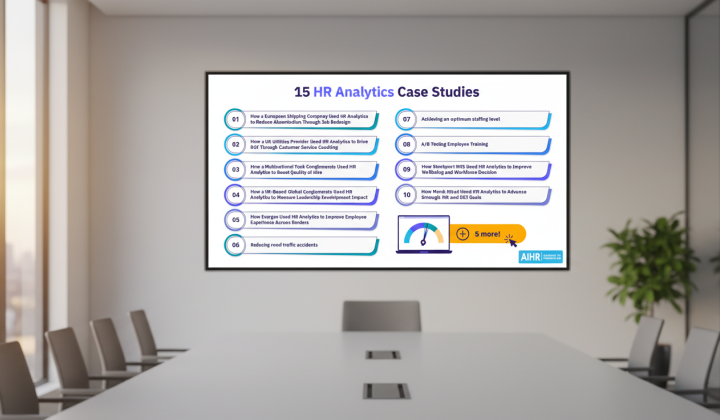
According to AIHR: In today's competitive landscape, HR analytics has become a vital tool for tackling core business challenges. By analyzing workforce data, companies can directly address issues like high absenteeism, poor hiring quality, excessive staff turnover, and runaway costs, leading to improved productivity and overall organizational performance. The following 15 case studies showcase how diverse companies have achieved substantial results by implementing data-driven HR strategies.
- In 2020, a European shipping company reduced absenteeism by 6% and cut contractor costs by €350,000 through a workplace redesign initiative.
- A UK utility provider achieved a 125% ROI (on a £105,000 investment) in 2021 after launching a coaching program for its call center staff.
- A multinational technology corporation improved its Quality of Hire metric for project managers from 38% to 75% in 2020.
- In 2021, a UK division of a global conglomerate found that graduates of its leadership development program performed 20–30% better than a control group and experienced a 25% increase in internal mobility.
- Evergas partnered with the Livingroom Analytics platform to monitor employee experience.
"Retaining the right people has a huge impact on customer satisfaction and financial results," said Steven Jacobsen, CEO of Evergas.
- A study in Zimbabwe revealed that a Defensive Driving Certificate (DDC) had no impact on the frequency of road traffic accidents among drivers.
- Analysis at a large Zimbabwean mining company showed a correlation between staffing levels and business activity, with an R-squared value of 70.34%.
- A Dutch FMCG company saw a 400% ROI in the first year after A/B testing its staff training programs.
- In 2020, Stockport NHS Foundation Trust implemented the mii People Analytics platform to monitor data for over 5,000 employees.
- Merck KGaA consolidated over 45 million data points in the Visier platform, enabling 3,500 users-including 3,000 line managers-to access dashboards.
- Montu increased its headcount by 1400% over 18 months using the HiBob platform for analytics.
- Research at a major restaurant chain showed that managers with an average score of 4+ on six key survey factors had 16% higher customer satisfaction, 18,000 more customers per year, and 10% lower staff turnover.
- Kemp & Lauritzen reduced overall staff turnover from 35% to under 28%, with voluntary departures falling by one-third after implementing SAP SuccessFactors.
- National Bank of Canada saved $4 million annually in HR and administration costs after automating processes with SAP SuccessFactors, handling 1,500 vacation requests on the first day.
- YMCA of Greater Grand Rapids uses the Paylocity platform to manage its 1,600 employees.
Key Takeaways
These examples demonstrate the proven effectiveness of HR analytics across various industries, enabling companies to achieve significant financial and operational improvements. This data-driven approach is transforming personnel management from an administrative function into a strategic asset. The consistent results underscore the critical importance of investing in data technologies to enhance workforce stability and drive organizational performance.
As organizations increasingly rely on data to enhance their HR strategies, understanding the essential competencies for modern HR professionals becomes crucial. The effective navigation of data analytics and employee well-being is now more important than ever, ensuring that HR teams can not only implement successful initiatives but also sustain a high-performing workforce.

Read also