Boosting HR Team Performance: 12 Development Strategies for Modern Challenges

The Critical Need for HR Department Development
According to AIHR: In today's rapidly evolving business landscape, developing HR departments is more crucial than ever. This urgency stems from the need to adapt to shifting work models and technological advancements. Statistics reveal that 95% of HR practitioners anticipate increased use of artificial intelligence and HR technologies. However, a significant 87% of HR leaders express concern about skill gaps within their teams, which must evolve to meet new functional demands.
Core Domains of Team Effectiveness
Research from McKinsey identifies four key domains that impact team performance: configuration, alignment, execution, and renewal. These aspects can influence up to 76% of a team's productivity, highlighting the vital importance of their development and optimization.
To meet these challenges, HR managers must cultivate six core competencies:
- Business acumen
- Data literacy
- Digital dexterity
- AI literacy
- People advocacy
- Executional excellence
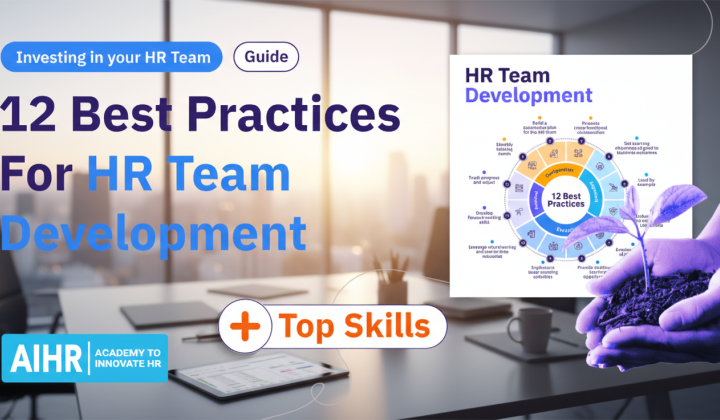
Given these requirements, organizations can implement 12 best practices to develop their HR teams. Among them are:
- Identifying specific training needs
- Building a succession plan for the HR team itself
- Encouraging cross-functional collaboration
- Setting learning objectives aligned with business outcomes
- Embedding fairness and ethics into all learning and development efforts
Additional recommended practices include:
- Utilizing targeted skill-building
- Providing opportunities for continuous learning
- Implementing team-building initiatives
- Using micro-learning and 'just-in-time' resources
- Developing future-oriented skills
- Tracking progress and making necessary adjustments
Adopting these recommendations can significantly enhance the effectiveness of HR departments and their capacity to adapt to emerging challenges. For many organizations, the HR function is no longer just administrative but a strategic partner essential for talent management and organizational agility.
Considering the rapid pace of change in the business environment and the need for HR functions to adapt to new technologies, the importance of proper training and development for HR managers is increasingly evident. Implementing these practices will not only elevate the team's professionalism but also provide organizations with a competitive edge in a fast-changing labor market. This, in turn, enables companies to respond more effectively to the challenges and opportunities that arise within their industry.

Read also