HR Professionals Revealed the Ideal Career Pathway

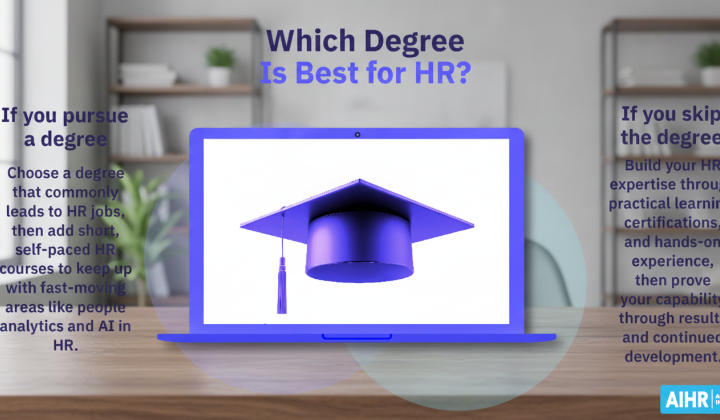
Choosing Your Educational Path in HR
According to AIHR: As the job market increasingly demands specialized knowledge and skills, selecting the right educational route for a career in Human Resources has become a critical decision. According to the U.S. Bureau of Labor Statistics, 49% of HR specialist positions require a bachelor's degree, while for HR managers, that figure jumps to 82%, as reported by O*NET. This shows that formal education matters, but it is not always mandatory to enter the field.
Common HR Majors
Students aiming for an HR career typically pursue one of these majors:
- human resource management
- business administration
- industrial-organizational psychology
- labor relations
- organizational development
- management
A degree in human resource management is the second most common specialization found in the resumes of HR business partners, accounting for about 25%. Roughly one-third of HR professionals hold a business degree, while 4% and 8% have backgrounds in 'management' and 'psychology,' respectively.
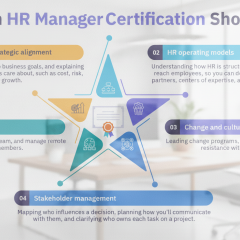
Despite educational requirements, alternatives exist for those unable or unwilling to pursue a traditional degree. Online learning has gained traction; for instance, AIHR provides 16 certificate programs and over 85 courses, each requiring roughly 20–35 hours of study. AIHR certificates can also earn continuing education credits recognized by organizations such as SHRM, HRCI, HRPA, CPHR, and CIPD.
“A degree helps, but it isn’t always necessary to break into HR-though requirements increase with seniority.” – AIHR
Notably, the SHRM-CP certification does not require a degree or prior HR experience. Successful HR professionals typically blend formal education, hands-on experience, and professional certifications to build their careers in this dynamic field.
Ultimately, the choice between earning a degree and pursuing alternative learning paths depends on personal preferences, goals, and circumstances. Employers look for these key skills:
- foundational HR knowledge
- analytical abilities
- business acumen
- communication skills
- HR technology proficiency
These competencies can be developed through traditional academic programs as well as online courses and certifications.
Given the rising educational demands in HR, professionals must be ready to adapt to labor market shifts. The wide range of learning programs and certifications offers opportunities for anyone aiming to advance their HR career, regardless of formal education. This flexibility may foster a job market where knowledge and skills matter more than traditional diplomas.
As aspiring HR professionals navigate their educational options, they may find it beneficial to explore various certification programs tailored for their specific needs. Such programs can enhance their qualifications and provide practical skills that complement formal education. For instance, the best online HR certification options for Ukrainian professionals offer flexible learning paths that cater to busy schedules while also boosting employability in the competitive job market.

Read also