HR Tech: What It Is and How Technology Is Changing Human Resource Management


Managing human resources, especially in a large company, may seem like a simple process. That's why it's essential to introduce HR tech in such companies: what it is and how to utilize such technologies.
HR Tech has gradually become an integral part of modern human resource management, as technology increasingly penetrates all aspects of working with people.
What is HR Tech
It is essential to start by understanding what HR tech is. This theory will be useful. Companies are no longer limited to paper documents and manual processes, as the pace of changes in the labor market demands flexible and accurate solutions. HR Tech allows for the combination of analytics, automation, and strategic vision, ensuring effective interaction between business and employees. Technological tools in HR are changing the approach to recruitment, talent development, performance evaluation, and corporate culture formation.

HR Tech is a set of digital technologies, software solutions, and online tools used for managing human resources. This concept includes personnel accounting systems, recruiting platforms, learning, performance evaluation, analytics, and communication. The main idea of HR Tech is to optimize HR processes by reducing manual labor and improving the accuracy of management decisions. Thanks to technology, the HR function ceases to be exclusively administrative and acquires strategic significance.
The Role of HR Tech in Modern Human Resource Management
In modern companies, HR Tech plays a crucial role in forming an effective personnel management system. Technologies enable HR professionals to respond more rapidly to changes, analyze large volumes of data, and forecast staffing needs. With digital tools, one can track the employee lifecycle from hiring to the end of cooperation. HR Tech also contributes to increasing transparency in processes, which positively affects trust from both employees and management.
Main Areas of HR Tech
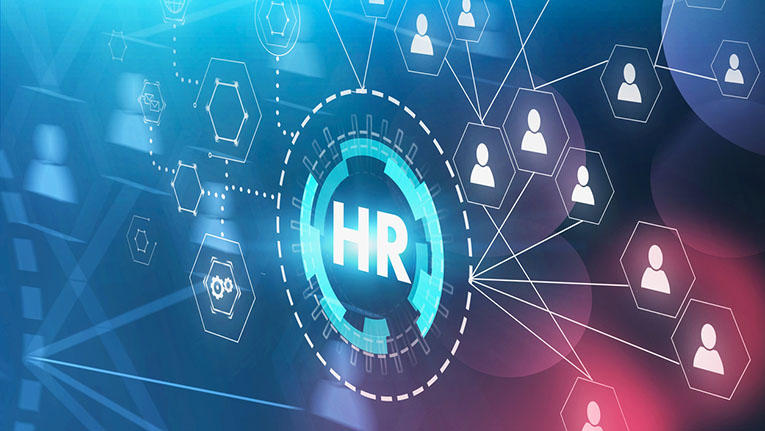
HR Tech encompasses several key areas, each of which solves specific personnel management tasks. One of the main areas is recruiting and hiring, where platforms are used for candidate searches, automated resume filtering, and communication with applicants. Another important area is training and development, which includes distance learning systems and knowledge management. Evaluation tools for performance, engagement, and employee satisfaction also play a significant role, as well as HR analytics that allows for data-driven decision-making.
HR Tech Systems: Examples and Types
HR Tech systems are represented by various types of software that meet different company needs. Personnel management systems allow for employee records, positions, schedules, and compensations. Recruiting platforms simplify the job search and hiring process, integrating all stages in a single digital environment. Learning systems provide access to courses, training, and development programs. A separate category is analytical tools that help assess the effectiveness of HR strategies and identify problem areas.
Automation of HR Processes through Technology
Automation is one of the key advantages of HR Tech, as it significantly reduces the time spent on routine tasks. Thanks to technology, one can automate document processing, payroll calculations, vacation management, and work time accounting. This reduces the likelihood of errors and allows HR professionals to focus on strategic issues. Automated processes also enhance convenience for employees, who can independently access necessary information via digital platforms.
Advantages of Using HR Tech

Utilizing HR Tech provides companies with numerous advantages, including enhanced departmental efficiency and improved employee experience. Technologies promote process transparency and quick information sharing. Moreover, HR Tech helps reduce costs associated with personnel administration and improve the quality of management decisions. With the aid of analytics, companies can better understand employee needs and respond promptly to changes.
Risks and Limitations of HR Tech
Despite numerous advantages, HR Tech also poses certain risks and limitations. One of them is the reliance on technology and potential technical failures. An essential issue remains the protection of employees' personal data, as digital systems handle confidential information. Not all employees are ready to quickly adapt to new technologies, which may lead to resistance to change. Additionally, excessive automation without considering the human factor can result in a decline in the quality of interaction between employees and the HR department.
Trends and Innovations in HR Tech
The HR Tech sphere is actively evolving under the influence of digital transformation in business, changes in the labor market, and growing employee expectations. One key trend is the widespread implementation of artificial intelligence and machine learning. Such technologies enable the automation of candidate selection, resume analysis, hiring success prediction, and reducing human factor influence during decision-making. Algorithms can reveal hidden patterns in large data sets, making HR analytics more accurate and practically useful.
Another important innovation is the development of people analytics, which involves deep data analysis about personnel with the aim of predicting employee turnover, engagement levels, and team effectiveness. Modern HR Tech solutions allow for the integration of data from various systems: time tracking, performance evaluation, learning platforms, and even internal communications. This creates a comprehensive picture of the state of human capital in the company.

Cloud HR platforms are actively developing, providing access to personnel management systems from anywhere in the world. This is especially relevant under conditions of remote and hybrid work. There is also an increase in the popularity of mobile HR applications, which simplify employee interaction with HR functions: submitting requests, viewing schedules, participating in surveys, and training programs. Special attention is given to technologies of digital education, microlearning, and gamification, which make the process of personnel development more flexible and personalized.
HR Tech in Large and Small Companies
The use of HR Tech has its peculiarities depending on the size of the company. In large organizations, personnel management technologies are an essential tool for coordinating complex processes, working with large teams, and a branched structure. Here, HR Tech is applied to automate recruiting, centralized management of employee data, career development planning, and comprehensive performance assessment. Large companies are more likely to implement comprehensive HRM or HCM systems that cover the entire employee lifecycle-from hiring to termination.
For small and medium-sized companies, HR Tech is a way to optimize resources and reduce administrative burdens. Such organizations typically opt for simpler, more flexible solutions that are easy to implement and do not require substantial financial investments. Cloud services for personnel accounting, online recruiting, automated payroll systems, and simple assessment tools allow small businesses to operate more systematically and professionally.
At the same time, for small companies, HR Tech often becomes a growth tool, as it helps to quickly scale HR processes along with business expansion. In large companies, technologies are more focused on analytics, standardization, and control, whereas in small ones, the emphasis is on flexibility, speed, and ease of use. Despite the differences in approaches, HR Tech is gradually becoming an essential component of personnel management for organizations of any size.
Examples of Successful HR Tech Implementation
Practice shows that proper HR Tech implementation can significantly boost personnel work efficiency. For instance, companies that have automated recruiting using specialized platforms have been able to shorten the time to fill vacancies and improve candidate selection quality. Utilizing systems for online interviews and testing has standardized the assessment process and made it more transparent for all participants.

Many organizations successfully implement learning management systems that ensure employees' continuous development. Through digital platforms, employees gain access to training materials, courses, and development programs in a convenient format, while HR professionals can track progress and training effectiveness. This fosters a culture of learning and enhances the competitiveness of personnel.
Another example is the use of HR analytics to reduce turnover. Companies analyzing engagement data, survey results, and performance metrics can proactively identify risks of resignations and implement preventive measures. Successful cases also include automating timekeeping and overtime, which helps to avoid errors, conflicts, and increases employees' trust in HR processes.
Overall, examples of successful HR Tech implementation demonstrate that technologies do not replace HR professionals; rather, they enhance their role. They allow HR to focus on strategic tasks, human potential development, and creating an effective, modern work environment.

Read also