US Sanctions Prompt India to Reject Russian Gas Cargo

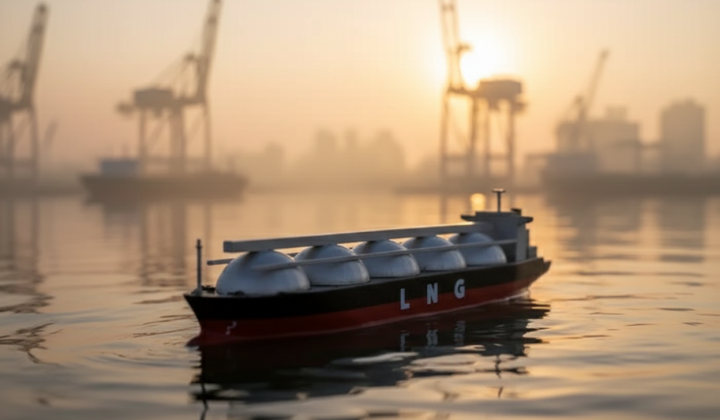
India Declines Russian LNG Shipment
According to Главком: India has turned down a Russian offer to purchase liquefied natural gas that falls under U.S. sanctions. The tanker Kunpeng, which was en route to India, now faces an uncertain fate. The LNG cargo, originating from Russia's Portovaya plant, is struggling with international restrictions.
Export Challenges at Portovaya
Located on the Baltic Sea, the Portovaya facility has an annual capacity of roughly 1.5 million tons of LNG and has been operational since 2022. However, its exports are constrained by sanctions imposed after Russia launched its full-scale war against Ukraine. This situation highlights the delicate balance India-the world’s third-largest oil importer and consumer-must strike between securing energy supplies and avoiding U.S.-sanctioned LNG shipments.
According to Reuters, this also underscores Moscow’s limited ability to redirect its LNG exports to new markets.
Meanwhile, during the first four months of 2026, the European Union purchased a record volume of gas from Russia’s Yamal LNG project, spending nearly €4 billion. Despite documentation claiming the cargo on the Kunpeng is not Russian, the vessel continued to be tracked, signaling heightened scrutiny over sanctions compliance in international energy trade.
India’s refusal may reflect its intent to adhere to international norms and avoid sanctions-related risks, which could shape its future energy policy. At the same time, the episode demonstrates how U.S. sanctions continue to constrain Russia’s energy exports, forcing it to seek new markets and ways to bypass these restrictions. This could have serious implications for the global energy market and political relations between countries.
As India navigates its energy strategy amidst international sanctions, the situation surrounding the upcoming sanctioned LNG shipment from Russia reflects the complexities of its energy partnerships. This development may indicate broader trends in how nations respond to geopolitical pressures while securing their energy needs.

Read also