Analyst: Iran's Asymmetric Warfare Strategy Makes a U.S. Conquest Impossible

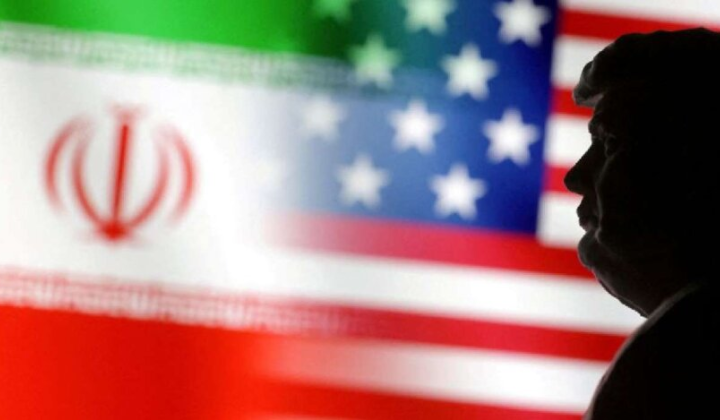
Potential U.S.-Israeli Military Campaign Against Iran
According to ХВИЛЯ: Polish analyst Piotr Kulpa, speaking on political commentator Yuriy Romanenko's broadcast, outlined the potential consequences of a U.S. and Israeli military campaign against Iran. He noted that Iran, having swiftly rebuilt its entire military potential lost during a twelve-day war, is prepared for asymmetric warfare. The nation's primary objective is strategic survival.
Kulpa stated that Iran has demonstrated a remarkable capacity for rapid military reconstitution.
'It turns out that Iran restored all the military potential it lost during the twelve-day war; everything was quickly rebuilt,' analyst Piotr Kulpa noted.
He further emphasized that the country is unconquerable, as doing so would require an army of 2 million soldiers. Kulpa pointed out that the United States has only 400,000 troops, which are dispersed across Europe, the Far East, and the U.S. homeland. 'It turns out there is no such potential,' he added.
Iran's Approach to Asymmetric Conflict
Kulpa also stressed the nature of Iran's warfare, which is asymmetric and costs dozens of times less than the conventional wars waged by the U.S. and Israel.
'Iran is waging an asymmetric war, which is dozens of times cheaper than the war waged by the United States and Israel,' emphasized analyst Piotr Kulpa.
He indicated that while Iran could lose every battle in such a war, it could still declare victory if it preserves its citizens' lives and outlasts the bombing campaigns. 'I would say that Iran is waging a war that gives victory at the strategic level. Iran can lose all the battles in this war, it can be bombed and so on, but as long as it preserves life and the bombing ends, it can declare victory and will be right,' summarized Piotr Kulpa.
Kulpa's commentary highlights the complexity of modern military conflicts, where asymmetric strategies can profoundly influence outcomes. Iran's demonstrated ability to regenerate its military power challenges the assumptions behind conventional U.S. and Israeli military doctrine. This dynamic presents significant challenges for regional security and the strategic calculations of international actors involved, as Iran's focus on endurance over direct confrontation redefines the metrics of success in warfare.
Given the complexities of Iran's military strategy, it's crucial to understand why traditional approaches may fall short. For a deeper analysis of the limitations of airstrikes in achieving a swift victory over Iran, consider exploring the challenges associated with aerial campaigns and their implications for U.S. military objectives.

Read also