Iran Strikes Coalition Bases and Oil Infrastructure in Retaliation for U.S. and Israeli Attacks

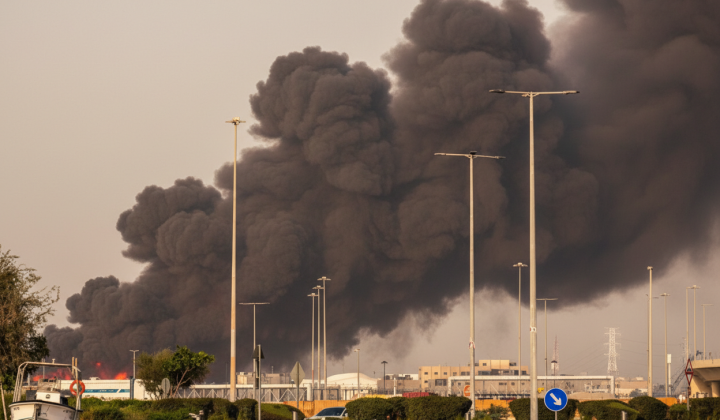
Iran's Asymmetric Warfare Tactics
According to ХВИЛЯ: In retaliation for U.S. and Israeli airstrikes, Iran has launched asymmetric attacks targeting coalition military bases and critical oil infrastructure across the Persian Gulf. These strikes have damaged assets belonging to several nations, including a French naval base in Abu Dhabi, which hosts a 700-person facility. Iranian forces have also employed Shahed drones to attack oil rigs and tankers.
Rejecting Peace Proposals
The Islamic Revolutionary Guard Corps (IRGC) claimed to have hit three tankers belonging to the United States and the United Kingdom. However, one of the damaged vessels was reportedly part of a so-called "shadow fleet," resulting in an incident of friendly fire. As expert Yuriy Romanenko noted:
“The IRGC stated it struck three U.S. and British oil tankers. It turned out, however, that one of the tankers they hit was from this shadow fleet, resulting in what you might call friendly fire.”
Tehran has rejected a U.S. proposal for an immediate ceasefire. According to expert Ilia Kusa:
“I believe this proposal was largely a formality, so the U.S. could later say: 'Well, we tried, we offered them peace, they refused, so now we are forced to continue the military operation.'”
These Iranian assaults on coalition bases and regional oil infrastructure are creating a new context for the conflict's future trajectory. The Persian Gulf is a vital global energy corridor, making attacks there particularly destabilizing. Ilia Kusa added that “They will wage a war of asymmetric attrition, aiming to prolong the conflict and inflict maximum damage specifically on the region's oil infrastructure.” Despite command and control delays, analysts assess the Iranian system remains resilient because “their command structure is highly decentralized. It is octopus-like, meaning there are many people who can replace one another.”
Tensions in the Persian Gulf remain high as Iran's actions signal an escalation and an attempt to strengthen its regional position. Tehran's refusal of truce proposals indicates a determination to continue an active military strategy, which risks further flare-ups. Monitoring developments in the region will be critical for assessing potential impacts on international security and stability in this volatile part of the world.

Read also