Iran Grants Access to Strait of Hormuz for 20 Pakistani-Flagged Vessels

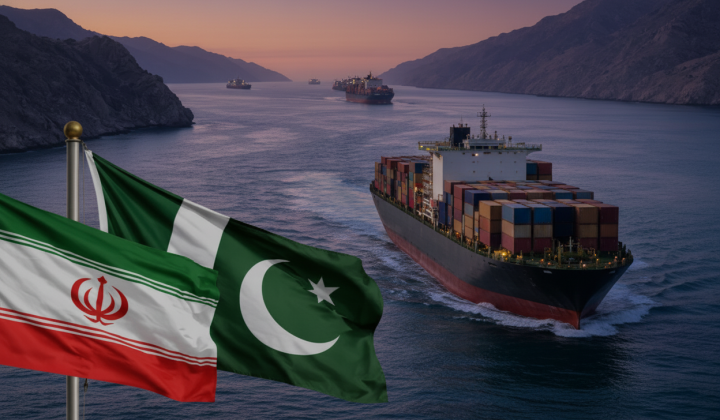
Agreement Reached Between Iran and Pakistan
According to Главком: Iran has agreed to permit an additional 20 vessels flying the Pakistani flag to transit the Strait of Hormuz. Pakistan's Foreign Minister, Ishaq Dar, announced the arrangement, specifying that two ships will be allowed to cross the strategic waterway each day. This phased access is intended to foster the development of trade routes in the region. The decision marks a significant step in bilateral relations and could influence broader international trade patterns.
Tehran has also formally notified the United Nations Security Council and the International Maritime Organization of its readiness to open the strategic passage to a portion of commercial shipping. The Strait of Hormuz is a critical global chokepoint for oil shipments, making such access agreements geopolitically sensitive.
G7 Nations to Bolster Security in the Strait
In a related development, foreign ministers from the G7 nations have agreed to contribute to security efforts in the Strait of Hormuz. The planned mission will be defensive in nature and will commence only after regional conditions have stabilized. Ishaq Dar expressed satisfaction with the diplomatic achievement, stating:
'I am pleased to share the good news that the Iranian government has agreed to allow another 20 vessels under the Pakistani flag to pass through the Strait of Hormuz.' - Ishaq Dar
This bilateral agreement has the potential to substantially strengthen economic ties between Iran and Pakistan while reinforcing the Strait's role as a vital trade artery. The expanded access for Pakistani-flagged vessels could positively impact the regional economy. Furthermore, the involvement of G7 countries in safeguarding the area underscores the importance of international cooperation for maintaining stability in key maritime shipping lanes.
As Iran strengthens its maritime cooperation with Pakistan, it is essential to consider how this agreement may interplay with other regional dynamics. Notably, the recent revelations about Russia's military support to Iran, including drones and intelligence sharing, could further complicate the geopolitical landscape in the Strait of Hormuz. Understanding these connections will provide deeper insights into the evolving security and trade environment in the region.

Read also