Iran Rejects Direct Talks with U.S., Calling Communication a 'Message Exchange'

State of Iran-U.S. Relations
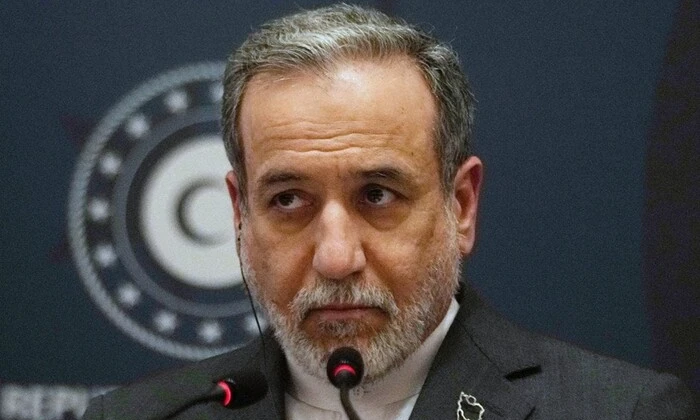
According to Главком: Iranian Foreign Minister Abbas Araghchi has cast doubt on U.S. proposals for dialogue, stating that the communications received from Washington constitute merely an exchange of messages, not formal negotiations. Araghchi emphasized that this process cannot be considered full-fledged talks. Iranian officials have stressed that no direct contacts with the United States have been confirmed. This stance reflects the deep-seated mistrust that has defined bilateral relations for decades.
According to information relayed from the U.S. through intermediary nations friendly to both sides, the ideas from these messages were passed to Iran's senior leadership. However, Tehran did not support the proposed 15-point plan aimed at ending the conflict. Meanwhile, the White House claims it is intensively preparing for negotiations.
Iran's Readiness for Cooperation
In a separate diplomatic move, Tehran has informed the UN Security Council and the International Maritime Organization of its readiness to open the Strait of Hormuz to certain commercial vessels. Safe passage through this strategic waterway is permitted only for ships that are not participating in or supporting aggression against Iran. The primary requirements for transit are:
- full compliance with safety regulations;
- mandatory coordination of actions with Iranian authorities.
Consequently, the situation surrounding Iranian-American relations remains tense, given Tehran's insufficient readiness for constructive negotiations. Iran's rejection of the U.S. plan and its restrictions on transit through the Strait of Hormuz highlight the complexity of dialogue between the two nations. This impasse could have serious repercussions for regional security and global trade routes. Iran's position demonstrates its intent to protect national interests while underscoring the importance of international cooperation in resolving regional conflicts.
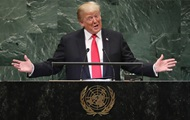
The ongoing tensions between Iran and the U.S. have escalated further, especially after Trump's recent ultimatum, which threatens military action if Iran does not comply with demands. This development raises questions about the future of diplomatic efforts and the potential for conflict in the region.

Read also