U.S. Announces Troop Withdrawal as Iran Moves to Close the Strait of Hormuz

Tensions Escalate Between Iran and the United States
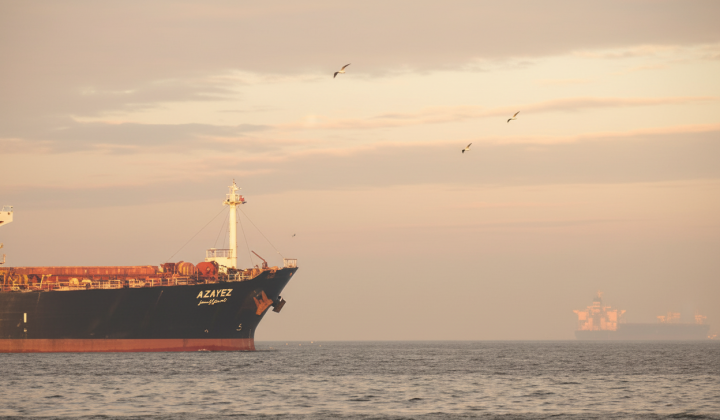
According to Главком: Following a public address by U.S. President Donald Trump announcing the end of the active phase of military operations against Iran and plans to withdraw American troops, Iran's Islamic Revolutionary Guard Corps (IRGC) has formally declared the closure of the Strait of Hormuz. The IRGC also rejected a U.S. ultimatum. The Strait is a vital global maritime chokepoint, through which about one-fifth of the world's oil passes.
Iranian state media broadcast an official IRGC statement, which noted:
“This waterway is under the firm control of the Corps.”
This declaration signals Iran's hardline stance on asserting control over this crucial international trade route.
Regional Fallout
In his speech, Trump stated that U.S. forces would leave Iran within the next two to three weeks. He added, “Iran will need 15-20 years to rebuild what we destroyed.” These remarks underscore the severity of the regional situation and point to the potential long-term consequences of the military campaign.
Four weeks into the military operation, disagreements have emerged within Trump's inner circle regarding whether the operation's primary objectives have been met. This suggests internal divisions within the U.S. administration over the next steps in relations with Iran. Given these developments, the regional climate remains volatile and requires close monitoring.
The recent events mark a significant escalation in Iran-U.S. tensions, with serious implications for regional security. The closure of the Strait of Hormuz, a critical artery for global oil shipments, threatens to trigger worldwide economic repercussions, including potential spikes in oil prices. Concurrently, the withdrawal of American troops from Iran could alter the regional balance of power, complicating future diplomatic efforts and stability in the Middle East.
As tensions rise, the implications of Iran's actions at the Strait of Hormuz become increasingly critical for the global economy. The potential for a US-Iran confrontation in this vital shipping lane could lead to significant disruptions in oil supply, further complicating the already fragile economic landscape.

Read also