Tehran Imposes Fresh Navigation Rules for Vessels Transiting the Strait of Hormuz

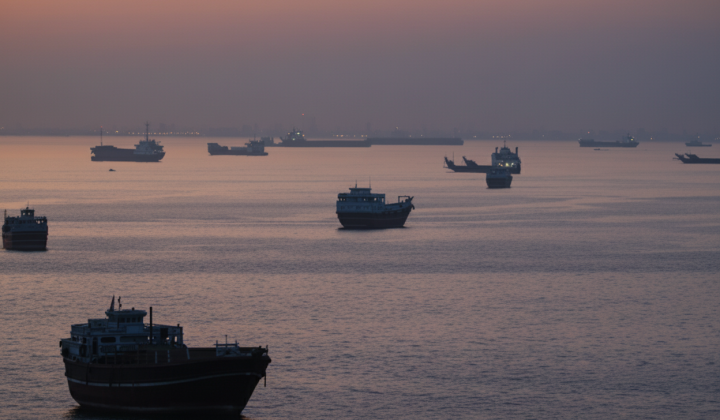
New Maritime Regulations Take Effect in the Strait of Hormuz
According to Главком: Iran has enacted updated navigation requirements for the Strait of Hormuz, mandating that all ships submit comprehensive details before being granted passage. To enforce these measures, Tehran established the Persian Gulf Strait Authority (PGSA), which now oversees maritime traffic in this strategically vital waterway. Every vessel must complete a form titled 'Vessel Information Declaration,' containing more than 40 questions. Seafarers are now required to disclose:
- the ship's name,
- its identification number,
- the country of origin and destination,
- the nationality of owners, managers, and crew members.
Furthermore, Iran is restricting transit for vessels linked to the United States or Israel. The PGSA has been sending emails to shipowners, emphasizing the new compliance demands. Prior to February, commercial ships could navigate the Strait of Hormuz freely-a critical artery for global oil exports. It is important to note that under international law, the strait is recognized as an open waterway.
Washington Responds to Iran's New Rules
In light of these developments, U.S. President Donald Trump stated that he is:
“Ready to escort tankers, and also mentioned the possibility of resuming massive bombings if necessary.”
He added that he is prepared to end the war if Tehran agrees to certain demands. Currently, around 1,600 vessels remain stranded near the Strait of Hormuz. Analysts suggest that Iran's actions may be an attempt to formalize its control over this international passage, which could significantly impact global trade routes and regional security.
The introduction of these new regulations by Iran has the potential to fundamentally alter the dynamics of international shipping through the Strait of Hormuz, a route critical to the global economy. Tehran's tightening grip on this strategic waterway could heighten tensions with Western nations, especially the United States, which has already signaled its readiness to respond. Such friction may lead to an escalation of conflict in the region, affecting oil prices and overall stability in the world economy.
The recent navigation regulations imposed by Iran have prompted significant geopolitical tensions, leading the U.S. to consider a strong response. As the situation evolves, Washington is preparing measures to intercept Iranian vessels in an effort to maintain open access through the Strait of Hormuz. This escalation could reshape maritime security and international shipping routes in the region.

Read also