Iran's 'Shadow Fleet' Fuels Oil Export Surge Through the Strait of Hormuz

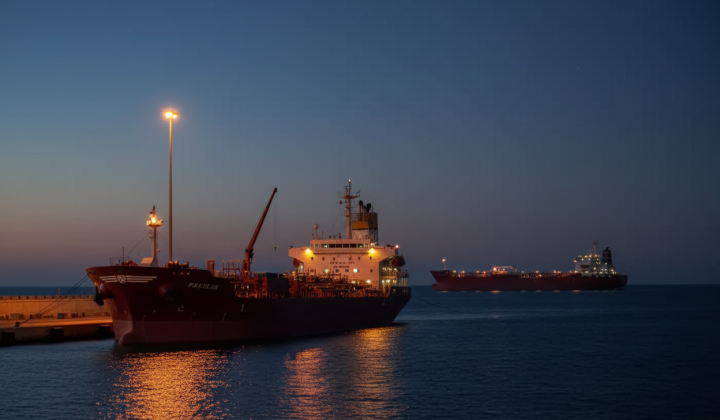
Iranian Oil Exports via the Strait of Hormuz
According to Главком: Despite the threat of attacks that deters most international shipping firms, Iran has significantly boosted its oil exports through the strategic Strait of Hormuz since the war began. This increase relies on a 'shadow fleet' of tankers to circumvent international sanctions and navigate the associated risks. The fact that a substantial portion of this oil is destined for China and India highlights Iran's adaptation to the new geopolitical landscape and its ability to maintain crucial energy revenue streams.
Since February 28, at least seven vessels have loaded Iranian oil off the country's coast. Over the past six days, tankers have transported an average of roughly 2.1 million barrels of Iranian crude per day, exceeding the February daily rate of 2 million barrels. Iran's Islamic Revolutionary Guard Corps has publicly stated it 'may attack any vessel attempting to pass through the Strait of Hormuz,' underscoring the severe threats facing shipping in this vital maritime chokepoint, through which about a fifth of the world's oil passes.
Risks and Strategic Adjustments
The transport of this Iranian oil is handled primarily by vessels from the 'shadow fleet.' Since the start of the conflict, approximately 15 ships have crossed the Strait of Hormuz, most carrying Iranian crude to China and India. Some Chinese tankers even report their passage to Iranian military authorities. For instance, the tanker Skywave loaded oil at Kharg Island and is en route to China, while the tanker Cume loaded about 2 million barrels in February. Another vessel, the Ping Shun, transported approximately 600,000 barrels of Iranian oil.
However, the increased export volume comes with persistent danger. At least two 'shadow fleet' tankers have already been targeted in attacks, demonstrating the high risks for vessels transiting the Strait. Iran has also reportedly deployed around a dozen naval mines in these waters, further complicating the security situation.
Neighboring states like Saudi Arabia and Iraq are being forced to cut production or seek alternative transport routes, a development that underscores Iran's significant role in the regional energy balance despite international pressure.
The growth in Iran's oil exports amid conflict demonstrates the country's capacity to adapt to new geopolitical realities and challenges.
By utilizing the 'shadow fleet,' Iran can continue supplying energy resources despite international sanctions and maritime threats. This strategy also exerts pressure on the energy policies of neighboring countries, who must now contend with shifting dynamics in the regional oil market.

Read also