Why Iran's Opposition Rejects a Pahlavi Monarchy Restoration

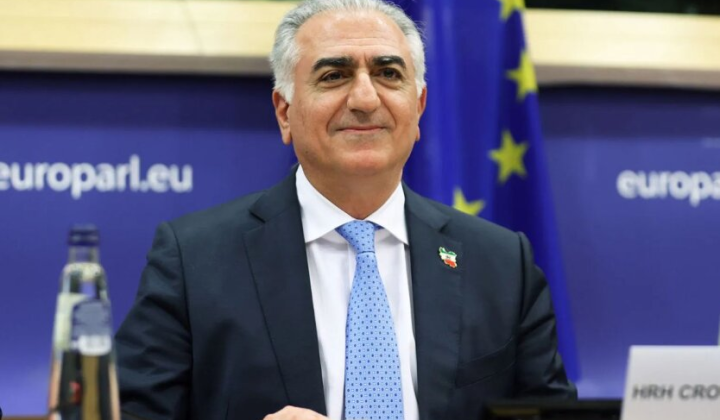
Opposition to Restoring the Iranian Monarchy
According to ХВИЛЯ: Ali Safavi, a member of the National Council of Resistance of Iran (NCRI), has issued a sharp critique of proposals to restore the monarchy and of the hereditary claimant, Reza Pahlavi. Safavi asserts that Reza Pahlavi lacks legitimacy and supports foreign invasion, which calls his nationalist credentials into question. He emphasized that monarchy in Iran has historically been synonymous with authoritarianism and dictatorship.
The Pahlavi Dynasty's Legacy and Influence
The Pahlavi dynasty, to which Reza Pahlavi belongs, is associated with authoritarian regimes that suppressed the rights of Iranians. The current claimant's grandfather was installed on the throne by the British, and in 1953, MI6 and the CIA conspired to overthrow the elected government of Mohammad Mosaddegh. Safavi noted that Reza Pahlavi has never distanced himself from the crimes of his father, who oppressed 35% of Iran's population, including ethnic minorities, Kurds, Arabs, and Baluchis.
Furthermore, Ali Safavi pointed out that Reza Pahlavi has called for the United States and Israel to attack Iran.
"What nationalist leader who cares for his own people would make such a demand?"
Safavi asked. He also stressed that this would not constitute a humanitarian intervention, as thousands of civilians have already been killed, including 110 schoolchildren who died in Minab in southern Iran. These debates occur against the backdrop of a long-standing struggle for democratic governance in Iran, following the 1979 revolution that overthrew the Pahlavi dynasty. Safavi's remarks highlight the gravity of the situation and the contentious nature of positions advocating for a monarchical return.
The critical comments by Ali Safavi regarding Reza Pahlavi reflect deep divisions within Iranian society over the country's political future. Calls to return to a monarchy provoke controversy, as many Iranians remember the authoritarian Pahlavi regime that led to immense suffering. Moreover, appeals for foreign intervention in Iran's affairs raise questions of national sovereignty and security, potentially further inflaming the country's internal political situation.
As discussions around the legitimacy of Reza Pahlavi intensify, it's essential to consider his recent signals to the Iranian populace. These developments are pivotal in understanding the broader implications for Iran's political landscape and the potential for a decisive moment in its future governance.

Read also