Iranian Opposition Leader Denies Mossad Ties and Role in Nuclear Scientist Assassinations

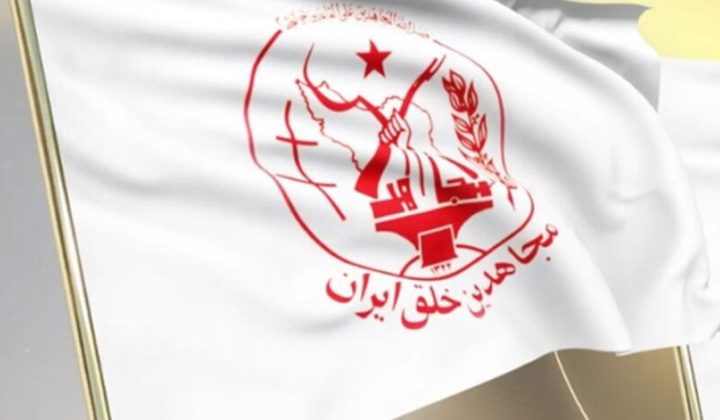
Ali Safavi Rejects Allegations
According to ХВИЛЯ: In an interview with journalist Roland Oliphant for The Telegraph's 'Iran the latest' podcast, Ali Safavi, a member of the National Council of Resistance of Iran (NCRI), has firmly denied accusations that his opposition group collaborated with foreign intelligence agencies or was involved in the killings of Iranian nuclear scientists. Safavi insisted these claims are entirely false.
Organization's Independence and Aims
Some intelligence experts have speculated that Israel's Mossad may have used operatives from the People's Mojahedin Organization of Iran (MEK) to carry out special operations, including the assassinations of scientists in the 2010s. Ali Safavi categorically refuted this narrative.
“This is another false narrative that has been taken as fact. Absolutely not,” he stated.
Safavi emphasized the organization's long-standing independence over its more than 60-year history. “One thing the MEK is known for in its 60-year history is its independence,” he added. He further denied that the group has ever sought financial or military aid from foreign governments, declaring:
“Never in our history, neither the MEK nor the coalition of which it is a part, have we ever asked any foreign government for financial assistance or military support.”
Concluding his interview, Ali Safavi stressed that the organization's primary focus is 'the people of Iran. The people in the diaspora,' underscoring its nationalist orientation. These denials come at a time of heightened international scrutiny over Iran's nuclear program and regional activities. The MEK, once listed as a terrorist organization by several Western governments, has actively sought political legitimacy in recent years.
Safavi's statements could significantly influence international perceptions of the MEK, especially given the current geopolitical tensions surrounding Iran's nuclear ambitions. If the international community accepts these rebuttals, it could lead to a reassessment of the MEK's role in Iranian politics and its interactions with foreign states. The criticism alluded to by Safavi appears to be part of an effort to distance the organization from any allegations that might damage its standing on the world stage.
In light of Safavi's firm denials, it's important to consider the broader context of the MEK's historical actions during the Iran-Iraq War, which showcase their longstanding commitment to opposing foreign threats. Understanding this context may provide deeper insights into the organization's current stance and its quest for legitimacy on the international stage.

Read also