Spain Escorts Sanctioned Russian Tanker to Port, Raising Questions Over Seizure Policy

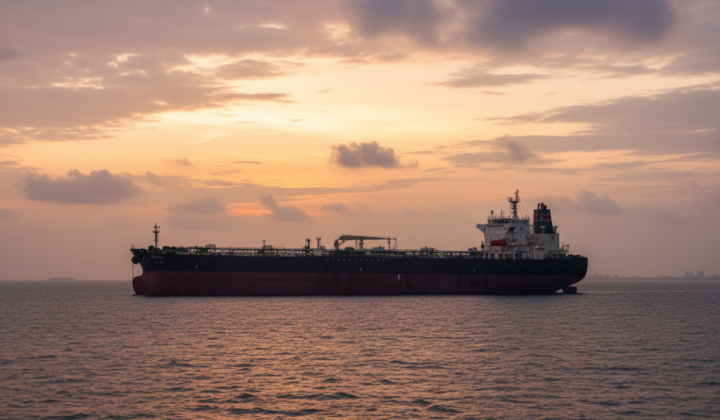
Escort of the Tanker Chariot Tide
According to Главком: Spain deployed a rescue vessel to escort the tanker Chariot Tide, a member of Russia's 'shadow fleet' under EU and UK sanctions, to a port in Morocco. This action has prompted scrutiny over why the vessel was not seized, especially given that France recently detained a similar tanker. The decision highlights the complex and often inconsistent enforcement of sanctions across European nations.
The Chariot Tide, which was drifting in international waters near Spain's coast due to an engine failure, was flying the flag of Mozambique. The rescue vessel guided it to the port of Tangier-Med in Morocco. Until November 2024, the ship was named Marabella Sun and was listed on the EU sanctions roster for aiding Russia's oil exports and employing illicit shipping practices. The tanker is also subject to UK sanctions.
Seizure of the Russian Tanker Grinch
In a contrasting move, France seized the Russian tanker Grinch, another 'shadow fleet' vessel, on January 22. The Grinch, sailing under the flag of the Comoros Islands, had departed from the Russian port of Murmansk in early January and was also under sanctions.
German Foreign Minister Johann Wadephul noted that Baltic region countries are particularly affected by Kremlin-organized hybrid actions and require better coordination from the EU. He emphasized that while sanctions against 'shadow fleet' vessels are in place, their effectiveness remains insufficient. This 'shadow fleet' is a key tool for Russia to circumvent oil price caps and finance its war effort.
The situation underscores the difficulties European nations face in countering the 'shadow fleet,' which uses deceptive methods to evade international sanctions. Spain's choice to escort rather than detain the tanker may raise further questions about the potency of existing sanctions and the need for a more unified EU approach to countering Russia's aggressive regional maneuvers.
- Vessels in the 'shadow fleet' frequently change flags, names, and owners.
- They often operate without proper insurance.
These differing approaches to handling sanctioned 'shadow fleet' vessels could indicate a lack of cohesion in European foreign policy and point to a necessary review of maritime security strategies.

Read also