Italy pulls funding from NATO program to purchase weapons for Ukraine

Italy declines to support NATO's PURL initiative
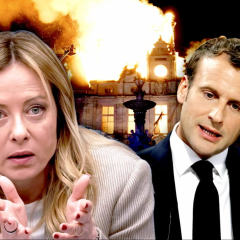
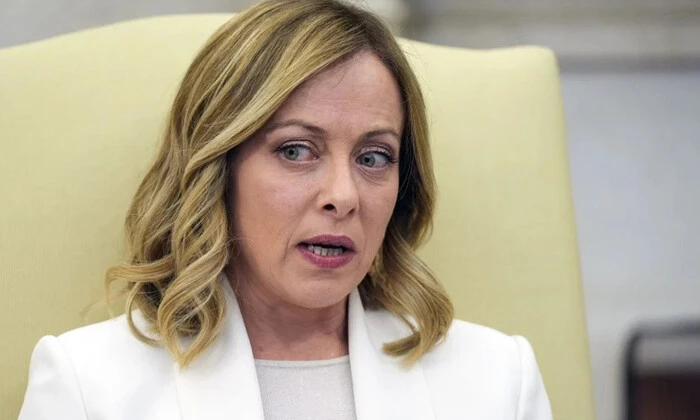
According to Главком: Italy has decided not to contribute to the NATO PURL program, which is designed to buy American-made weapons for delivery to Ukraine. The move stems from a need to manage government spending and prioritize domestic social initiatives. Italian Defense Minister Guido Crosetto confirmed this before parliament, explaining that Prime Minister Giorgia Meloni's administration will focus on supporting citizens and offsetting energy costs.
This decision is part of a broader government strategy emphasizing social benefits and energy subsidies ahead of parliamentary elections. Meanwhile, U.S. Defense Secretary Pete Hegseth criticized European nations for failing to meet their defense commitments, raising concerns within American circles.
The PURL program and its significance
The PURL program, which has gathered approximately $6 billion to strengthen Ukraine's air defense systems, enables NATO allies to collectively identify Ukraine's needs and finance arms purchases. A portion of these funds is earmarked for acquiring air defense systems and missiles for Patriot complexes, which are crucial for Ukraine's security amid ongoing aggression.
Against the backdrop of Italy's refusal, the Pentagon chief announced an audit of the U.S. military presence in Europe. The results could lead to a reassessment of American troop numbers in countries that do not fulfill defense obligations. In response, Italian authorities have changed how they calculate defense spending, now including costs for internal security, cyber defense, and civilian programs, allowing them to report a defense budget of 2.8% of GDP.
Additionally, a group of U.S. senators has proposed expanding the use of frozen Russian assets to aid Ukraine, signaling growing American support for security and defense matters. Overall, the situation surrounding the PURL program funding and Italy's withdrawal highlights the complexities of international cooperation amid shifting political priorities among NATO member states.
Italy's refusal to fund the PURL program could affect overall NATO support for Ukraine, as the initiative is a key component of military aid delivery. It underscores how domestic political decisions can impact international commitments and collaboration. The reassessment of defense spending and the focus on social programs also reflect rising political tension in the country ahead of elections, which may influence future decisions on international assistance.
As Italy reassesses its defense commitments, the broader implications for NATO's collective security strategy become evident. This decision follows significant developments, including a recent NATO meeting in Kyiv that aimed to reinforce support for Ukraine amidst ongoing tensions with Russia. Understanding these dynamics is crucial for grasping the shifting landscape of European defense policies.

Read also