Europe urged to cut all Russian gas and oil imports, says Italy

A push to end reliance on Russian energy
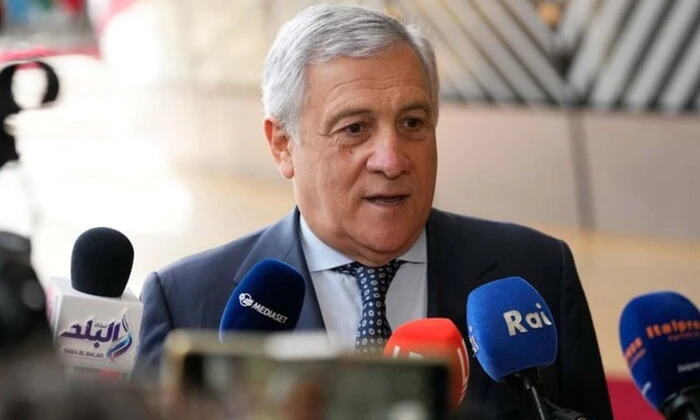
According to Главком: Italian Foreign Minister Antonio Tajani has called on Europe to completely halt imports of Russian natural gas and oil, arguing that this would pressure President Vladimir Putin into negotiations. According to Tajani, the continent already has access to alternative energy suppliers and is actively advancing nuclear power. He believes such a move would send a strong message to the Kremlin.
Tajani also supports appointing a single EU representative to lead talks with Moscow. When discussing potential candidates, he firmly ruled out former German Chancellor Gerhard Schröder. Instead, Tajani suggested that the best choice would be a current official from EU institutions, such as European Council President António Costa, or a leader from a mid-sized European country.
Steps toward dialogue
Italian Prime Minister Giorgia Meloni has also indicated she will propose a special EU negotiator for this role. Meanwhile, António Costa has been exploring informal channels of communication with the Kremlin. Tajani emphasized,
“If we want to push Putin to the negotiating table, we must send him a signal. Otherwise, if we are tough in one area and soft in another, he will continue pursuing his own interests.”
The debate over a potential negotiation framework highlights growing support among several European nations for creating a dedicated mechanism for talks with Russia. At the same time, Tajani stresses the need for a unified European stance on energy supplies, underscoring the seriousness of the situation and the importance of cohesion among EU member states.
Ending reliance on Russian energy and establishing a single channel for negotiations with Moscow could represent pivotal steps for Europe as it seeks to reduce its dependence on Russia. This also underscores the urgency of energy security, which must become a top priority for EU countries amid the current geopolitical climate. European nations are striving to maintain unity and coordinate their actions to effectively address challenges linked to the war in Ukraine and Russia’s influence on regional stability.
As Europe grapples with the implications of reducing energy imports from Russia, the need for effective communication with the Kremlin becomes increasingly crucial. In this context, the European Council President's initiative to create a covert communication channel could play a vital role in facilitating dialogue and ensuring a unified European approach to negotiations.

Read also