Israel Protests Reburial of OUN Leader Andriy Melnyk with Full State Honors in Ukraine

Israeli Government Condemns Reburial of Andriy Melnyk
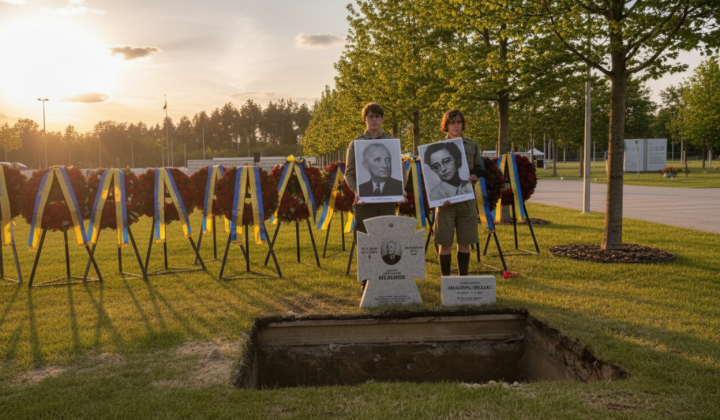
According to Главком: Israel's Ministry of Foreign Affairs has formally protested the reburial of Andriy Melnyk, a leader of the Organization of Ukrainian Nationalists (OUN), which took place with state honors in Ukraine. The decision has drawn sharp criticism from Yad Vashem, the World Holocaust Remembrance Center. The ceremony occurred on May 25 at the National Military Memorial Cemetery, where Melnyk-a colonel in the Ukrainian People's Republic Army-and his wife, Sofia Fedak-Melnyk, were reinterred.
Israeli officials have linked Melnyk to collaboration with Nazi Germany, raising concerns about honoring his legacy. In a statement, the Israeli Foreign Ministry declared:
“We regret the decision to hold an official state reburial ceremony for OUN leader Andriy Melnyk, who collaborated with the Nazis. There is no room for ignoring historical truth and the memory of victims killed by Nazis and their collaborators.” - Ministry of Foreign Affairs of Israel
Yad Vashem also noted that the reburial of Andriy Melnyk 'undermines the moral integrity necessary for preserving the memory of the Holocaust.'
Ukraine's Response and the Complexity of Bilateral Relations
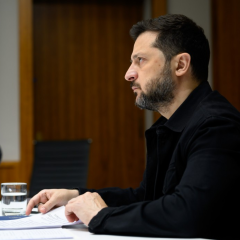
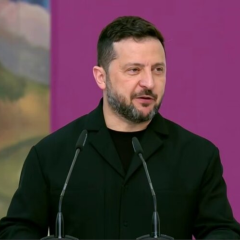
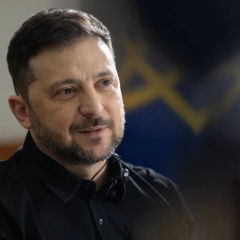
In response to these events, Ukrainian President Volodymyr Zelenskyy announced the initiation of a process to repatriate historical figures to their homeland. On April 22, he also revealed plans to establish a Pantheon of Outstanding Ukrainians, likely tied to honoring key figures in the country's history.
The controversy surrounding Andriy Melnyk's reburial highlights the delicate nature of relations between Ukraine and Israel, particularly regarding historical memory and the commemoration of past figures. This event has sparked widespread debate, underscoring how historical remembrance shapes modern international diplomacy. Discussions around honoring individuals connected to contentious historical episodes can strain diplomatic ties, and the recognition of figures like Melnyk may fuel political disputes, creating new challenges for Ukraine's cooperation with other nations, including Israel.
The ongoing discussions surrounding the reburial of historical figures in Ukraine raise important questions about national identity and memory. In a related context, Ukraine has recently obtained permission to rebury another prominent nationalist leader, Yevhen Konovalets. This decision further complicates the dialogue between Ukraine and Israel, as both nations navigate their historical narratives and the implications of honoring controversial figures.

Read also