Cardiologist's Winter Home Heating Tips: Materials to Avoid for Staying Warm

Advice from Cardiologist Oleksandra Telehuzova
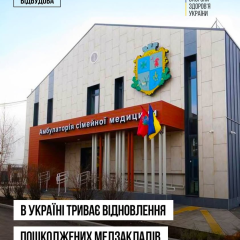
According to ХВИЛЯ: During an appearance on the Kyiv24 TV channel, cardiologist Oleksandra Telehuzova offered guidance on staying warm in cold apartments. She stressed the critical importance of choosing the right clothing, particularly for base layers, to prevent moisture buildup and the body's rapid cooling. These recommendations were also published on the 'Khvylya' website, which featured a photo captioned 'Heating Disconnection'.
Telehuzova specified that base layers must be cotton, as woolen items can trap moisture, leading to perspiration and, consequently, faster chilling. The doctor also advises following a three-layer rule: a t-shirt, a sweater, and a warm vest. She emphasized that sleeping in socks is perfectly fine, as warm feet promote better sleep and heat generation.
Additional Insulation Tips
Among other suggestions, Telehuzova highlighted the need to avoid wearing multiple pairs of regular socks; instead, opt for fleece items or thermal materials. It's also advisable to wear warm outerwear and a hat indoors to protect the lower back, neck, and chest from the cold. Furthermore, the doctor recommended insulating floors with rugs, foam, or cardboard for added warmth.
Finally, Oleksandra Telehuzova suggests selecting one room in the apartment, insulating it as much as possible, and spending most of your time there. This approach helps reduce heating costs and maintain a comfortable temperature during cold weather. These tips are especially relevant for those in regions experiencing energy instability or harsh winters, where maintaining indoor warmth is a practical necessity.
Doctor Telehuzova's recommendations are timely given worsening weather conditions, which can significantly impact people's comfort and health. In situations where heating disruptions are possible, it is crucial to follow simple yet effective measures to retain warmth in living spaces, thereby avoiding hypothermia and associated health risks. This advice can be valuable for many, particularly during the colder months of the year.

Read also