Brussels Cash and the 'Real Machine': How Much NATO Really Costs in 2026

Audit of the Fund: The Real NATO Budget for 2026
A persistent conceptual confusion surrounds the finances of the North Atlantic Alliance. The NATO budget is not a single bottomless wallet; it is strictly divided into two fundamentally different categories: direct (common) funding and indirect (national budgets).
1) Direct Budget (Brussels Cash)
This is money that goes exclusively to ensure the functioning of the organization as a structure - maintenance of headquarters, integrated command structure, common management systems, and radar systems.
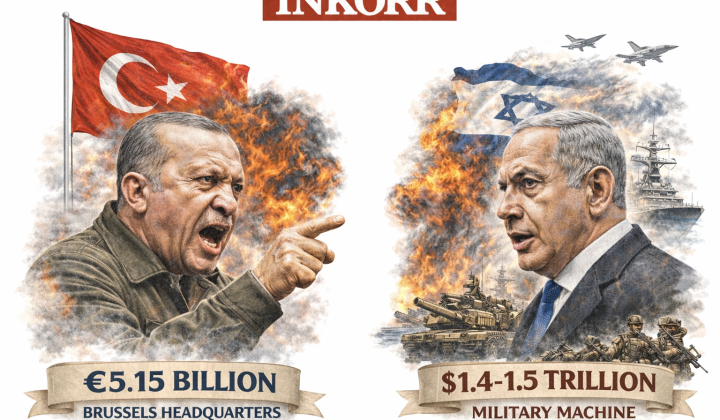
For 2026, NATO's overall funds (approved in December 2025) amount to approximately 5.15 billion euros. This figure is divided into three buckets:
-
Civil budget: 528.2 million euros (maintenance of the political apparatus, diplomats, and headquarters).
-
Military budget: 2.42 billion euros (integrated military command structure, joint exercises, Alliance missions).
-
Security Investment Program (NSIP): ceiling limit - 2.2 billion euros (construction of military bases, communication systems, logistics hubs, common for the Alliance).
2) Indirect Budget (The Real Military Machine)
The direct NATO budget itself is a statistical error (less than 0.5% of actual spending). The true financial power of the Alliance is the combined national defense budgets of 32 member countries.
It is expected that by 2026, total military spending by NATO countries (considering the 2% of GDP standard) will exceed the mark of 1.4–1.5 trillion dollars.
-
The lion's share of this mass is the Pentagon budget (around 1 trillion dollars).
-
For comparison, a key donor in Europe, Germany, has allocated a defense budget of about 108 billion euros for 2026.
Conclusion: NATO is not a 'wallet', but a managing company
NATO itself does not possess hundreds of billions in free money - it is merely a political 'managing company' with a budget of 5 billion euros for operational needs.
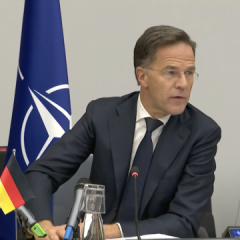
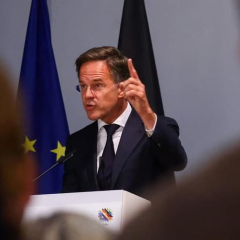
When Secretary General Mark Rutte announces a military aid package of 60 billion dollars for 2026, he is not taking it from a safe in Brussels. He issues a quota to the member states. And considering that the Trump administration blocked American transfers, this check is fully transferred to the shoulders of European national budgets, which are already balancing on the brink of a macroeconomic crisis.

Read also