Kata'ib Hezbollah Announces Ceasefire with US, Laying Out Key Demands

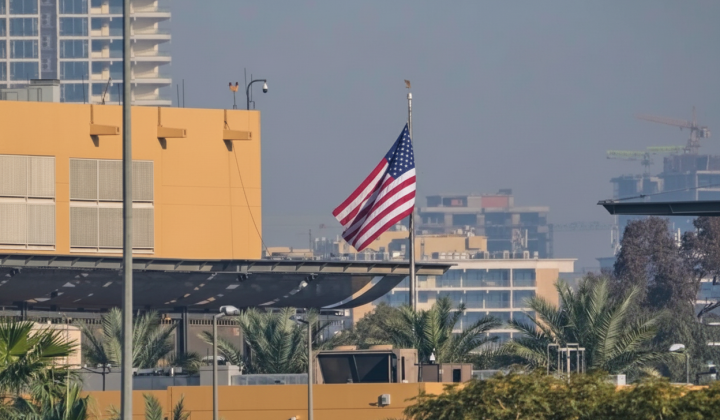
US Embassy in Baghdad Granted Temporary Reprieve from Attacks
According to Главком: The Iran-backed Iraqi militia Kata'ib Hezbollah has declared a five-day pause in its assaults on the US Embassy in Baghdad, issuing a list of conditions. This decision follows a recent escalation, including a March 18th attack where the diplomatic compound was struck by at least four projectiles, among them two armed drones. One explosive detonated near the embassy grounds, while others were intercepted by air defense systems. Kata'ib Hezbollah is one of the most powerful Iran-aligned militias in Iraq and has been a frequent antagonist of US forces.
Kata'ib Hezbollah stated its readiness to observe the five-day truce. Since the onset of the Gaza conflict, the US Embassy in Baghdad has been repeatedly targeted, highlighting the regional spillover of tensions. Dozens of the group's fighters have been killed in airstrikes since early March.
Militia's Conditions for the Truce
Furthermore, on March 17th, a major drone attack targeted key sites in Baghdad's Green Zone and southern Iraq. Iraq's Interior Ministry confirmed one drone struck the Al-Rashid Hotel, though the incident caused no casualties or significant damage as the UAV only hit the building's upper perimeter fence.
The Kata'ib Hezbollah group has put forward several demands, including:
- An immediate halt to Israeli bombardments in Gaza;
- The evacuation of civilians from the southern suburbs of Beirut;
- A cessation of airstrikes on residential areas in Baghdad and other Iraqi regions;
- Restricting CIA personnel activity to within the embassy grounds, with no operations outside.
These demands underscore the complex regional landscape and the persistent friction between the various parties involved in the conflict.
The temporary halt in attacks on the US Embassy may signal an attempt by Kata'ib Hezbollah to de-escalate and avert further retaliation from the US and its allies. However, the group's conditions indicate the conflict remains multifaceted, with numerous factors influencing regional security and stability. The coming days will be critical in determining whether this pause leads to a longer-term reduction in hostilities or merely a brief interlude.
As tensions escalate in the region, the recent attack on the US Embassy in Baghdad highlights the ongoing conflict involving various factions. In a related incident, the targeting of the embassy coincided with Israel's military operations against Iranian interests, reflecting the intricate web of geopolitical dynamics at play. Understanding these developments is crucial for grasping the broader implications of the current ceasefire announcement.

Read also