Kyiv's Energy Crisis: The High Cost of Replacing Damaged Power Plants and Its Impact on Prices

The State of Kyiv's Energy System
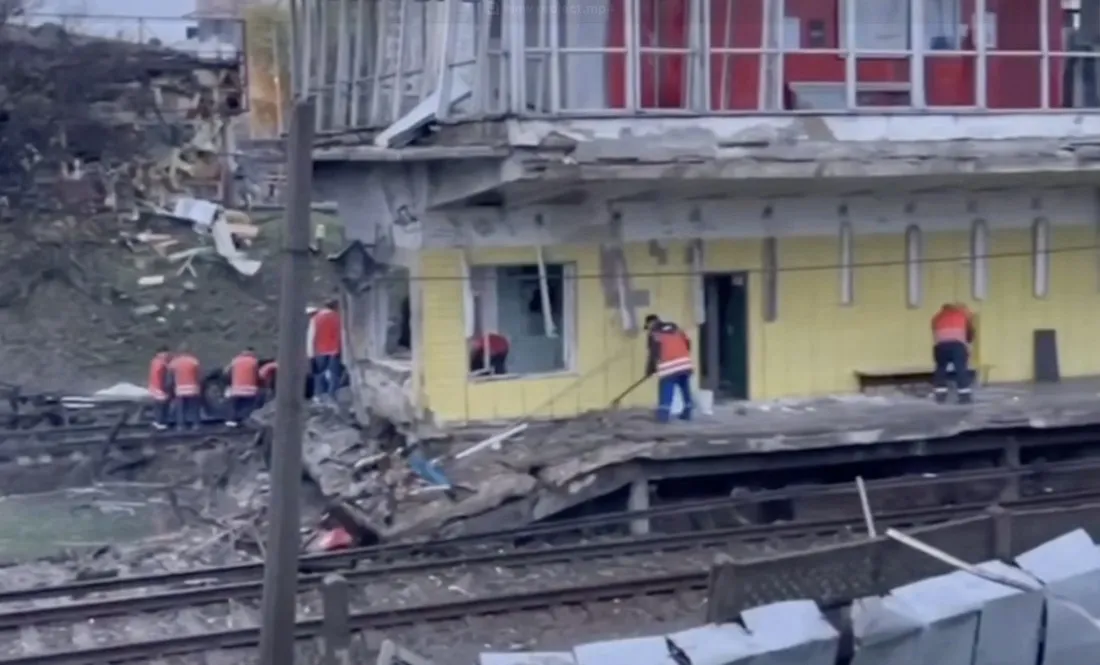
According to Главком: Kyiv faces a severe threat to its energy stability due to a lack of viable alternatives to its large-scale thermal power plants (TPPs). Former Energy Minister Ivan Plachkov has emphasized that the critical state of the power grid, caused by extensive damage from mass attacks, severely limits the potential of decentralized energy solutions. This situation is a direct consequence of Russia's targeted strikes on Ukraine's civilian infrastructure, which began with the full-scale invasion in 2022.
Prior to the large-scale attacks, Kyiv and the Kyiv region were self-sufficient in electricity generation, relying on TPP-5, TPP-6, and Darnytsia TPP, which together provided approximately 1500 MW of power. However, following the damage, the capacity to transport electricity is now severely limited, and the city has almost no generation of its own. According to Plachkov, energy operators cannot transmit the volume of electricity Kyiv requires, and installing 1000-1500 autonomous boiler houses would increase the cost of heating by at least one and a half times.
Challenges and Consequences
The capital has about 4,000 kilometers of main heating networks, but implementing a distributed generation model instead of restoring the large TPPs would be three to four times more expensive. Such decentralized installations could not even meet 10% of the city's needs. Due to Russia's mass attacks, at least 80% of Ukraine's energy infrastructure has been damaged, further complicating the situation. Kyiv is left confronting a major challenge due to insufficient generation capacity and the prohibitive cost of alternative solutions.
Kyiv's energy predicament is part of a broader national crisis triggered by the war. The widespread damage to energy infrastructure from hostilities has led to a massive reduction in capacity, making it extremely difficult to meet the population's energy needs. Restoring the TPPs and other energy sources is a critical task for stabilizing the national grid and ensuring utility services, especially during the winter season. The absence of effective alternatives risks a further intensification of the energy supply problem in the capital and other regions of the country.

Read also