How Kyiv Overcame Its Energy Crisis and Prepares for the Next Winter

Attacks on Kyiv's Energy Infrastructure
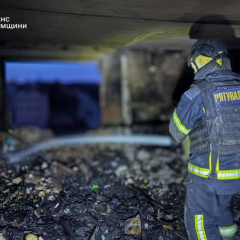
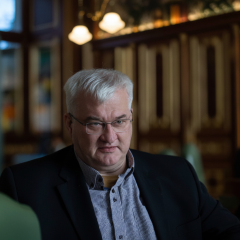
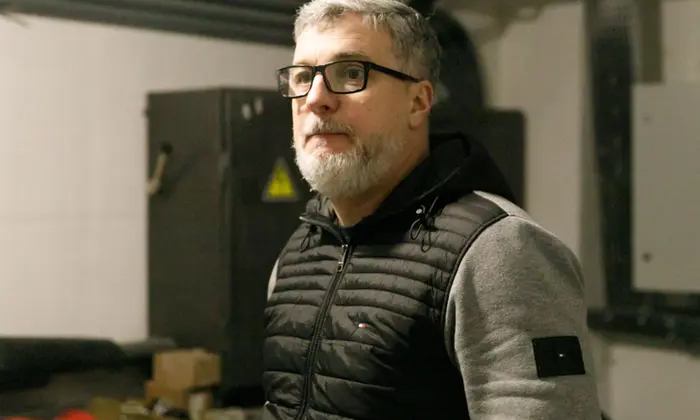
According to Главком: In a recent interview, Valentyn Mondryivskyi, Deputy Head of the Kyiv City State Administration, detailed the severe consequences of Russian strikes on the city's energy grid. These attacks caused major disruptions to heating, particularly during winter. Some districts, including Darnytskyi and Dniprovskyi, were left without electricity, heat, or water for weeks. The destruction of the Darnytsia Thermal Power Plant meant the heating season ended abruptly in the middle of winter for residents of over a thousand buildings. In early February, city authorities published a list of buildings that would remain without heat until the power plant is restored.
Tensions Between City and National Government
Mondryivskyi noted that the situation sparked a public conflict between city officials and the central government. The President's Office accused Kyiv's administration of failing to prepare for winter and of slow installation of cogeneration units. Meanwhile, Mayor Vitali Klitschko's team claims it has not received meaningful assistance from the national government. The deputy head stressed the complexity of the situation, stating:
"It would be wrong to say the state isn't helping, but it's also untrue to claim it's doing everything in Kyiv instead of the local authorities,"
- Valentyn Mondryivskyi.
Kyiv is actively working to improve its energy resilience. The city has purchased 15 gas-piston complexes with a total capacity of 60 MW, built five mini-thermal power plants, and prepared over a thousand generators for critical infrastructure. With international aid, the number of mobile boiler units has been increased to 69. The city has also acquired 4.5 thousand pieces of equipment for the residential sector.
Mondryivskyi believes Kyiv's heating system is the largest in Eastern Europe and that
"replacing such a vast system in such a short time is simply impossible."
To support residents, the city authorities have decided to provide interest-free loans for the purchase of generators for apartment buildings. Loans of up to one million hryvnias per building, with a term of up to one year, will be available to:
- Homeowners' associations (OSBB)
- Housing construction cooperatives (HBK)
- Cooperatives
- Building managers
A one-time aid payment of 40,000 hryvnias is also planned for Kyiv residents who find themselves in difficult circumstances due to network failures. Last year, the city directed nearly 4 billion hryvnias to various aid programs, with 250 million hryvnias paid out under the 'TurboTa' (Care) program.
The primary task for the Kyiv City Administration remains restoring thermal generation, specifically TEC-4.
"Restoration will be difficult, but nothing is impossible. Next winter will come regardless, and we will live through it,"
- Valentyn Mondryivskyi.
The heating crisis in Kyiv, a direct result of targeted attacks, has exposed the vulnerability of the city's energy infrastructure and the challenges of coordination between local and national authorities. This situation underscores the immense difficulty of maintaining critical services during a full-scale war. The city's efforts in energy security, including purchasing generators and creating new heat sources, demonstrate a commitment to improvement, though implementing these initiatives requires significant time and resources.

Read also