Kyiv Council Fails to Pass Energy Resilience Plan as Meeting Collapses


Kyiv Council Session on Energy Resilience
According to Главком: A Kyiv City Council session was unable to approve a crucial energy resilience plan due to a lack of a quorum. Only 58 deputies attended the emergency meeting, falling short of the 61 votes required for a decision. Consequently, the session was postponed to March 10. This follows the National Security and Defense Council's approval on March 3 of comprehensive energy resilience plans for all regions and regional centers, with the notable exception of Kyiv. This failure to adopt a plan comes at a critical time, as Ukraine's energy infrastructure remains a key target during the ongoing conflict.
Political Divisions and Official Reactions
The session was attended by members of the UDAR, European Solidarity, and Unity factions. Notably, approximately one-third of the European Solidarity faction was absent. The parliamentary faction of European Solidarity, led by Petro Poroshenko, did visit the council, where Poroshenko himself spoke for 20 minutes.
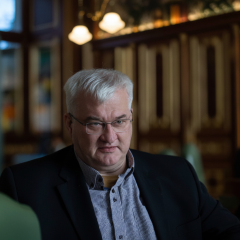
Andriy Vitrenko: 'Myself and other deputies did not wish to participate in the farce in the name of Petro Oleksiyovych Poroshenko. Why should we take part in this?'
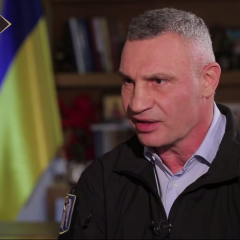
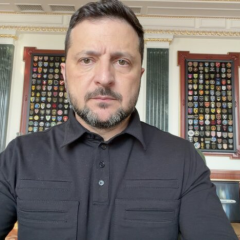
Kyiv Mayor Vitali Klitschko also pointed out that, unlike heads of regional military administrations, he cannot unilaterally sign the plan. President Volodymyr Zelenskyy has set March 10 as the final deadline for Kyiv to submit a new plan. Therefore, the Kyiv City Council's next steps on energy resilience remain uncertain, though deputies still have time for further discussion and amendments.
The council's failure to pass the plan raises significant concerns for the capital's energy security, especially given the persistent threats to national infrastructure. The postponement to March 10 allows for additional consultation but also underscores the urgent need for a swift and unified political response to these critical challenges.

Read also