Kim Jong Un Sets US Dialogue Terms: Recognition of North Korea's Nuclear State Status

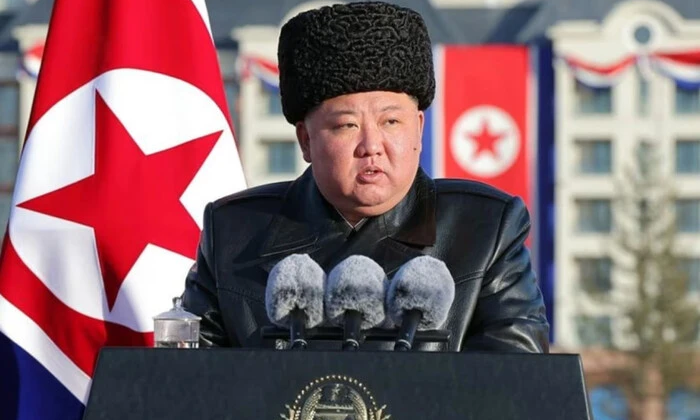
Kim Jong Un's Address to the Supreme People's Assembly
According to Главком: North Korean leader Kim Jong Un, speaking before the Supreme People's Assembly, declared his country's nuclear status to be permanent and laid out conditions for talks with the United States. He asserted that North Korea views its nuclear status as 'irreversible' and accused Washington of 'state-sponsored terrorism'. In his speech, he stated that
“any meeting is possible only if the US officially recognizes the DPRK as a nuclear state and completely abandons its 'hostile policy'”
. Consequently, denuclearization is not on North Korea's agenda. This stance represents a significant hardening of Pyongyang's position, effectively closing the door on the disarmament talks that have stalled for years.
Bolstering Defense and Military Cooperation
In its efforts to strengthen national defense, North Korea is actively expanding its nuclear arsenal and reinforcing its military alliance with Russia. The DPRK supplies Moscow with artillery shells and missiles, while in return receiving fuel, food, and sensitive military technology from Russia. North Korean troops are also reportedly training near the Ukrainian front, highlighting the active military collaboration between the two nations. This partnership has deepened significantly since Russia's invasion of Ukraine, providing Pyongyang with a powerful patron at the UN Security Council.
Kim's daughter, Kim Ju Ae, has participated in military events, signaling the potential continuation of the dynastic leadership. North Korean state media has also been active, criticizing US and Israeli actions toward Iran and withholding from its public the news of Ayatollah Ali Khamenei's death, demonstrating the regime's tight control over information. The overall situation regarding North Korea's nuclear status and its foreign policy remains tense and is likely to have profound implications for international relations, particularly in Northeast Asia.
The positions articulated by Kim Jong Un underscore the ongoing tension in international relations, especially between the DPRK, the United States, and their allies. The entrenchment of North Korea's nuclear status may lead to new security challenges in the region, while its cooperation with Russia strengthens strategic alliances that could shift the global balance of power. Observing Pyongyang's next moves and the international community's response to these declarations will be crucial.
As Kim Jong Un reinforces North Korea's nuclear ambitions, it's essential to understand the broader implications of this shift in policy. The recent constitutional changes solidifying the nation's nuclear status reflect a deeper commitment to military power. For a more comprehensive look at how these developments are shaping North Korea's future, explore our article on the constitutional entrenchment of North Korea's nuclear position.

Read also