North Korea's Nuclear Status Cemented in Constitution by Kim Jong Un

Kim Jong Un's Nuclear Policy Declaration
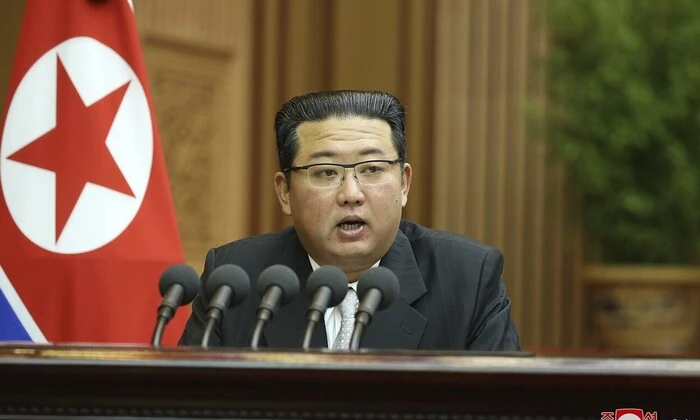
According to Главком: North Korean leader Kim Jong Un has declared his intention to reinforce the country's status as a nuclear power and adopt a hardline stance towards South Korea. This announcement was made during a session of the Supreme People's Assembly, which concluded on Monday. The Assembly ratified a revised constitution that underscores the regime's new political priorities. This constitutional change represents a significant escalation in Pyongyang's long-standing nuclear rhetoric.
In 2024, Kim Jong Un declared the abandonment of the goal of peaceful reunification with South Korea, signaling a shift in the country's foreign policy direction. The North Korean leader stated that
"the dignity of the nation, its national interests, and ultimate victory can only be guaranteed by the most powerful force. The government of our republic will continue to strengthen our absolutely irreversible status as a nuclear state and resolutely wage a struggle against hostile forces to suppress their provocations and intrigues."
Political Developments in North Korea
Parliamentary elections were held in North Korea on March 15, where the Workers' Party of Korea and its allies secured 99.93% of the vote. They won all 687 seats in the Supreme People's Assembly, demonstrating near-total support for the ruling party. In February 2026, the Workers' Party of North Korea re-elected Kim Jong Un as its General Secretary and also reaffirmed his position as the head of state affairs. These events highlight the regime's tightening grip on the country's political landscape and its intent to continue its nuclear program while countering perceived external threats.
The declaration abandoning peaceful reunification with South Korea may signal an escalation of regional tensions, raising concerns within the international community. The continuation of North Korea's nuclear program also jeopardizes stability in East Asia and could lead to further sanctions or diplomatic measures from other nations. This move solidifies a policy that has long defied UN Security Council resolutions and global non-proliferation efforts.
The recent constitutional changes in North Korea not only solidify Kim Jong Un's nuclear ambitions but also coincide with significant political shifts within the regime. As the leadership landscape evolves, the reappointment of Kim Jong Un and the emerging role of his daughter are raising questions about the future direction of the country's governance and its implications for regional stability.

Read also