Arctic-Bound Robot Gets Polar Bear-Inspired Feet in New Chinese Design

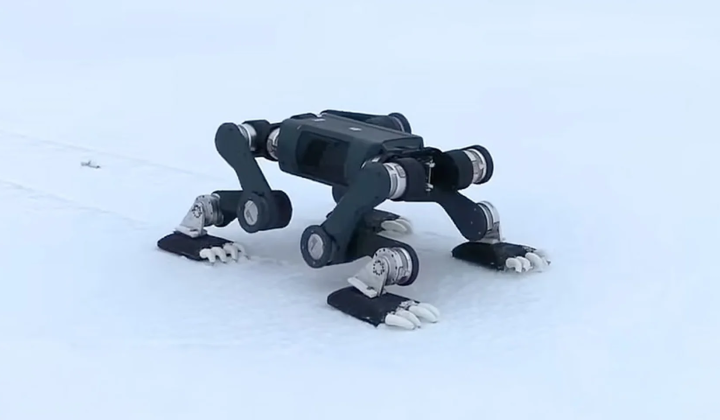
Testing the Autonomous Lynx S10 Robot in the Arctic
According to НВ — Техно: On June 15 at 10:00 AM, Chinese firm DEEP Robotics put its autonomous Lynx S10 robot through its paces in the Arctic. Weighing less than 20 kilograms with its battery, the machine features 16 movable joints. It can reach speeds of up to 8 meters per second on flat terrain and clear obstacles as high as 50 centimeters.
To navigate, the Lynx S10 relies on four wide-angle cameras and LiDAR sensors mounted on both the front and rear. Ahead of the expedition, engineers upgraded the platform by swapping out wheels for large feet inspired by the anatomy of a polar bear. These new appendages come with anti-slip coatings and spikes, making them far more effective in Arctic conditions.
Enhanced Protection and the Technology's Future
Additionally, the robot's water resistance rating was improved from IP66 to IP67, boosting its reliability in the harsh polar environment. It is worth noting that this Arctic version of the Lynx S10 remains an early-stage prototype rather than a finished commercial product, as reported by Interesting Engineering.
The testing of the Lynx S10 could significantly advance autonomous technology in extreme settings. Success in such projects opens up new possibilities for robotics in Arctic research, rescue missions, and environmental monitoring. Given the growing challenges posed by climate change, these innovations may become vital tools for scientists and explorers in the years ahead.
As robotics technology evolves, similar innovative designs are being tested in various extreme environments. For instance, a humanoid robot recently scaled a volcano in the Himalayas, showcasing the versatility of robotic applications in challenging terrains. This highlights the potential of robots like the Lynx S10 to not only navigate the Arctic but also tackle diverse landscapes. To explore more about this fascinating test, check out our article on the humanoid robot's volcanic ascent.

Read also