Humanoid Robot Scales Volcano in Himalayan Test Run

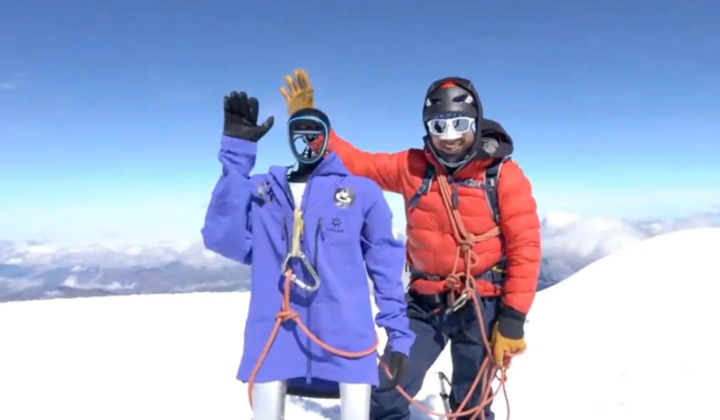
Project Pemba and Its Mission
According to НВ — Техно: Led by Pablo Berlanga Boemare of Geologic Dome, Project Pemba explores whether humanoid robots can operate in extreme environments. Recently, a robot equipped with artificial intelligence, cameras, and satellite communication completed a trial on a volcano. The ascent took 16 hours, but on steep slopes, the team had to carry the robot on their shoulders due to mobility issues.
Earlier tests took place in China’s Altai region, where the G1 model proved functional at minus 47 degrees Celsius. The project’s ultimate goal is testing in the Himalayas, specifically between Everest Base Camp and Camp IV, located at 8,000 meters. During the mission, the team plans to collect data on joint wear, energy reliability, and the endurance of the AI system.
Legal Hurdles and Potential Tasks
However, the Himalayan mission is currently on hold. Nepal’s authorities lack a legal framework for non-human climbs, creating regulatory obstacles for the project. As a result, the team must develop new rules to proceed with their research.
'Why poke thousands of cameras into the forests of the Amazon or Congo when you can deploy an autonomous robot?' – said Pablo Berlanga Boemare, highlighting the potential of robots in such environments.
Potential future tasks for these robots include:
- litter collection
- glacier monitoring
- rescue operations
The robot’s protection relies on integrated thermal regulation systems within its protective gear. Project Pemba is backed by partners Geologic Dome and the Fourteen Peaks Expedition.
Advances in robotics are unlocking new possibilities for research in hard-to-reach areas. Using humanoid robots could significantly reduce risks for humans, especially in extreme settings like high altitudes or active volcanoes. However, the legal and ethical aspects of deploying autonomous systems in such locations require careful consideration and regulation to ensure safe and effective use.
As the exploration of extreme environments continues, advancements in robotics are crucial. A recent development involves the HELIOS robot, designed to assist astronauts with their tasks in orbit. This innovation not only highlights the versatility of robotic technology but also raises questions about its potential applications on Earth, particularly in hazardous locations. To learn more about how this new robot will handle orbital responsibilities, check out the details in our article on the HELIOS robot's capabilities.

Read also