Bear-Paw Robot Conquers the Arctic in Chinese Trial

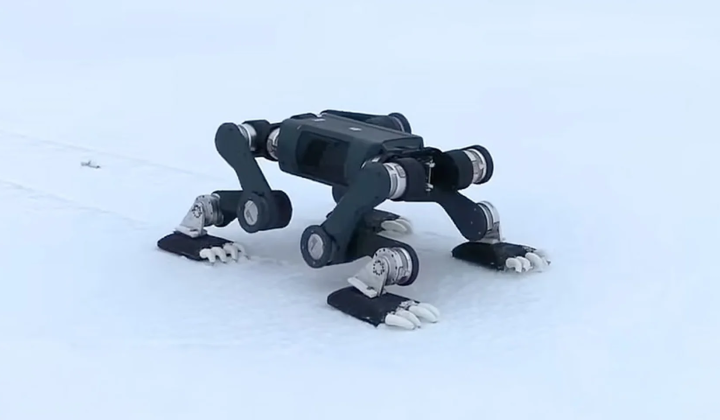
Arctic Field Test for the Lynx S10 Robot
According to НВ — Техно: Chinese robotics firm DEEP Robotics has put its autonomous Lynx S10 through its paces in the Arctic, where the machine proved capable of navigating ice, snow, and slush with ease. The key upgrade involved fitting the platform with paws inspired by the anatomy of a polar bear, significantly boosting its performance in the harsh polar environment.
Weighing in at under 20 kilograms including its battery, the Lynx S10 features 16 moving joints for exceptional agility. On flat terrain, the standard version can reach speeds of up to 8 meters per second and clear obstacles as high as 50 centimeters. The robot is designed to move on both wheels and legs, and it can even rear up on two legs for a better view of its surroundings.
Technical Specifications of the Lynx S10
Navigation relies on a setup of four wide-angle cameras and LiDAR sensors mounted at the front and rear. The upgraded paws come with a non-slip coating and built-in spikes to improve traction on slippery surfaces. Water resistance has also been enhanced from IP66 to IP67, making the Lynx S10 more durable in wet conditions.
It is important to note that the Lynx S10 remains an early-stage prototype, not a finished commercial product. The Arctic trials highlighted its potential for further development in extreme climates. According to Interesting Engineering, the modified Lynx S10 with its bear-like paws has drawn significant attention.
The Arctic testing of the Lynx S10 reflects a growing push to develop autonomous robots capable of operating in extreme environments. This work could unlock new possibilities for exploring hard-to-reach areas like polar regions, while also improving the effectiveness of search-and-rescue missions and scientific research in such settings. Advances in the technology behind the Lynx S10 may also influence future robotics projects, particularly those focused on adapting to climate change and environmental challenges.
As the Lynx S10 showcases its capabilities in the Arctic, the advancements in robotics are becoming increasingly evident. Similar to the recent achievements of a humanoid robot that scaled a volcano in the Himalayas, these trials highlight the potential for robots to operate in some of the most challenging environments on our planet. Such developments are paving the way for future explorations and research in extreme conditions.

Read also