Ticks on the Rise: Protecting Yourself from Encephalitis and Lyme Disease

Tick Activity in Ukraine
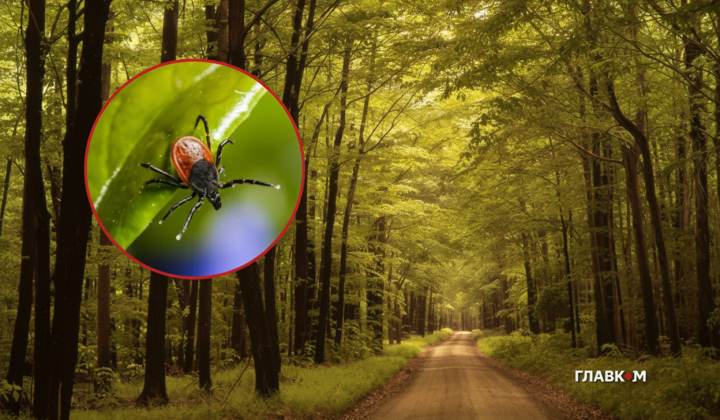
According to Главком: The tick season in Ukraine extends into late autumn, with peak activity occurring in May-June and again in September-October. These parasites, which can be found in urban lawns, parks, and backyards, are carriers of dangerous illnesses, including tick-borne encephalitis and borreliosis, also known as Lyme disease. The Lviv and Volyn regions of Ukraine are considered endemic areas for tick-borne encephalitis.
While ticks can transmit the bacteria that cause Lyme disease, infection typically requires the tick to be attached for at least 24 hours. Of the diseases spread by ticks, only tick-borne encephalitis can be prevented through vaccination, making immunization a crucial step in reducing the risk of this serious infection. Tick-borne encephalitis is a viral infection that can affect the central nervous system.
What to Do If You Are Bitten
If a tick does bite you, it is vital to know the correct response. Nadiya Drebot, a public health expert, advises:
"For some reason, there is a tendency-especially in villages-for people to be very irresponsible about their own health. I recommend seeking medical attention in any case. Only a doctor can properly assess the situation. A characteristic rash appears in only about 30% of Lyme disease cases; the clinical picture can be completely different in the rest."
Various tools can be used for tick removal. If using a specialized tick removal tool, carefully slide it under the tick as close to the skin as possible, lift gently, and slowly rotate the tool in one direction until the tick detaches. If using tweezers, grasp the tick firmly as close to the skin's surface as you can, avoiding squeezing its body, and pull upward with steady, even pressure. Do not twist or jerk. If parts of the tick's mouth remain embedded, remove them with a sterile needle or tweezers.
To minimize the risk of a tick bite before heading outdoors, it is recommended to:
- Apply a repellent to skin or clothing, ensuring it is specifically labeled as effective against ticks;
- Wear appropriate clothing: tuck pants into socks, wear closed shoes, and choose light-colored attire to make spotting ticks easier;
- Stay in the center of trails and avoid walking through tall grass or brush;
- Perform regular tick checks on yourself and your companions during the outing;
- Conduct a thorough full-body check after returning home, and wash and tumble-dry clothing on high heat.
Following these guidelines can significantly lower the risk of contracting dangerous tick-borne diseases and help ensure your safety during outdoor activities. Public awareness of these preventative measures is key to reducing infection rates and complications associated with tick bites, particularly in regions with higher disease prevalence.
Understanding the various illnesses that ticks can transmit is crucial for effective prevention and treatment. In addition to encephalitis, ticks are known carriers of several other serious diseases. For insights on how to respond after a tick bite and to learn about the range of dangerous diseases associated with these parasites, consider reading more in our detailed article on the five serious diseases carried by ticks in Ukraine.

Read also