North Korea Earns $14 Billion from Arms Deals with Russia and Bolsters Border Troops

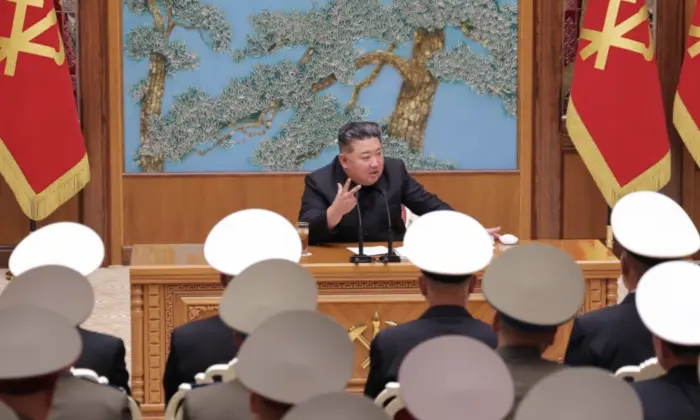
North Korea Strengthens Military Units Near the Border
According to Главком: Kim Jong Un has announced the reinforcement of military units near the border with South Korea. The statement came during a meeting with division and brigade commanders of the Korean People's Army. The North Korean leader stressed the need to expand practical drills and revise combat doctrines in line with the modernization of military equipment. He also highlighted the importance of strengthening ideological loyalty among service members, signaling Pyongyang's intent to solidify its military stance in the region.
Military Support to Russia and Economic Pressures
Over the past three years, North Korea has received up to $14 billion from supplying weapons and deploying soldiers to aid Russia in its war against Ukraine. Currently, around 10,000 North Korean special forces troops are on the front lines in Ukraine, alongside thousands of engineers and hundreds of drone operators. North Korean personnel earn roughly $2,000 per month, while families of the deceased are entitled to compensation and elite housing in Pyongyang. North Korea has supplied Russia with KN-23 ballistic missiles, artillery shells, and rocket artillery systems. In return for this military assistance, North Korea has received foreign currency, energy supplies, food, and military technology from Russia.
According to the Bank of South Korea, North Korea's economy grew by 3.7% in 2024, with its GDP estimated at approximately $26.6 billion. Global economic sanctions against North Korea were introduced in 2016, yet the country continues to seek ways to sustain its economy. At a meeting of the Youth League in Pyongyang, Kim Jong Un announced new mobilization priorities. For the first time at an official level, North Korea's ruling party directly linked the ideological loyalty of young people to the involvement of North Korean troops in combat operations on Russia's side.
Kim Jong Un stated that this would ensure more effective war deterrence and protection against the 'main enemy.'
North Korea has also formally enshrined in its constitution the right to launch an immediate and automatic nuclear strike if the country's top leadership is eliminated. This move was Pyongyang's response to operations by the United States and Israel in Iran, where Ayatollah Ali Khamenei was killed.
The current reinforcement of North Korean military units is part of a strategy aimed at strengthening the country's defense capabilities amid growing geopolitical tensions in the region. Cooperation with Russia and the involvement of North Korean troops in the conflict in Ukraine underscores Pyongyang's ambition to play an active role in global military developments, which could impact stability in East Asia.
At the same time, the economic difficulties facing North Korea are pushing it to seek new ways to enhance its military capabilities, which could have serious implications for regional security and international relations.
As North Korea continues to bolster its military capabilities and enhance its economic ties with Russia, the regime has also made significant constitutional changes. Recently, the country enshrined the principle of an automatic nuclear response in the event of a leadership crisis. This development underscores the regime's commitment to maintaining its grip on power and could have profound implications for regional security. For more on this critical shift in North Korea's defense strategy, see North Korea's nuclear strike policy in its constitution.

Read also