Former Ukrainian Border Chief Appointed to Command Role in Luhansk Following Mobilization


Serhiy Deineko's New Appointment
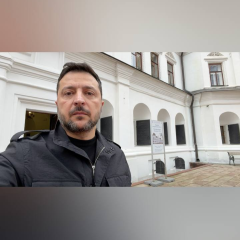
According to Главком: Serhiy Deineko, the former head of Ukraine's State Border Guard Service (SBGS), has been mobilized and appointed as commander of the Luhansk Border Detachment. This appointment, confirmed by SBGS spokesman Andrii Demchenko on March 3, proceeded despite an ongoing corruption case against Deineko and a court-imposed preventive measure. His mobilization was carried out under Ukraine's law 'On Military Duty'. This move comes as Ukraine continues to defend its eastern front against Russian invasion.
Ongoing Corruption Investigation
It is important to note that on January 22, Ukraine's Specialized Anti-Corruption Prosecutor's Office (SAPO) and the National Anti-Corruption Bureau of Ukraine (NABU) announced they had uncovered a corruption scheme within the Border Guard Service. In connection with this, the High Anti-Corruption Court imposed a preventive measure on Deineko in the form of a bail set at 10 million hryvnias, which has already been paid.
Andrii Demchenko stated that
"in accordance with the Regulations on Military Service in the SBGS, he has been appointed to the position of head of the Luhansk Border Detachment. The circumstances of his dismissal from military service do not, at the legislative level, restrict the subsequent possibility of serving in the SBGS through mobilization."
Deineko had been dismissed from military service by an order dated February 2. His new role is therefore a significant development within Ukraine's current security context, where experienced commanders are in high demand.
The appointment of Serhiy Deineko to lead the Luhansk Border Detachment, while he remains implicated in a corruption case, raises questions about transparency and the efficacy of personnel decisions within state institutions. It also highlights the complex challenges Ukraine faces in balancing military needs with its ongoing, high-stakes fight against systemic corruption, a central pillar of its national policy and international commitments.

Read also