Drone Commander Madar Reveals Strategy to Eliminate Russian Forces in Crimea


A Plan to Make Crimea Unsustainable for Russian Troops
According to ХВИЛЯ: Robert Brovdi, the commander of Ukraine's Unmanned Systems Forces and widely known by his call sign Madar, outlined in an interview a strategy to make it impossible for Russian forces to remain in Crimea without launching a ground offensive. He emphasized the need to target the enemy's energy infrastructure and logistics. Specifically, Brovdi reported that 21 fuel tankers approaching Crimea were destroyed in the three days before the interview, with plans to eliminate another 121 tankers within the following 72 hours, and then 221 more. In his view,
“There is no fuel in Crimea, and I want to tell you: under no circumstances will there be any there”
- Robert Brovdi.
The Unit's Origins and Achievements
Brovdi shared the history of his unit, which started with just 27 personnel and eventually grew into a separate branch of the military. The concept of using drones was first developed in April 2022 on the Kherson front. He also noted that Ukrainian drones can now reach targets up to 2,500 kilometers deep into the European part of Russia, stating:
“In the European part of Russia, there is not a single kilometer left that the freedom-loving Ukrainian bird cannot reach today”
- Robert Brovdi.
In discussing his operations, Brovdi claimed 400,000 confirmed enemy targets and 110,000 destroyed enemy units. He also presented a five-step plan for NATO countries to counter drones. These steps include:
- establishing a buffer zone two to five kilometers wide;
- laying fiber-optic communication lines;
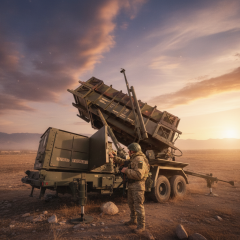
- deploying mobile air defense systems;
- creating rapid response brigades;
- rapidly forming deep-strike crews.
Brovdi highlighted severe challenges faced by the Russian side, particularly a massive fuel shortage observed in Russia in July 2026. According to analysts, the Russian internet segment recorded 40 million daily searches for how to produce fuel at home. This information points to significant supply problems for fuel in occupied territories.
In closing, Brovdi stressed that any NATO member state could implement the necessary steps by the end of this year, noting:
“For me, this is simply mathematics”
- Robert Brovdi. He also mentioned that despite the war, he continues to build a park of modern Ukrainian sculpture, because
“I have already lived my best life”
- Robert Brovdi. Brovdi is a high-priority target for Russian intelligence services, underscoring his critical role in the current military context.
Robert Brovdi's statements highlight the strategic importance of unmanned systems in Ukraine's military operations, especially in the fight for control over Crimea. By reporting successes in destroying enemy assets, Ukrainian command demonstrates its ability to inflict significant losses on the adversary without direct engagement. The fuel shortage in Russia could also severely complicate their logistics, thereby enhancing the effectiveness of Ukrainian actions.
As Ukraine's military strategy evolves, understanding the broader context is essential. Recently, the top commander of Ukraine outlined three critical military objectives aimed at enhancing operational effectiveness. These goals complement the insights shared by Brovdi regarding the ongoing efforts to disrupt Russian supply lines in Crimea. To learn more about these strategic military aims, visit three crucial military objectives set by Ukraine's leadership.

Read also