National Security Committee Reports No Evidence of U.S. Intelligence Cutoff Amid Technical Glitches

Current Status of U.S. Intelligence Sharing
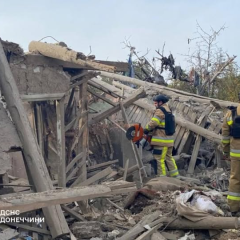
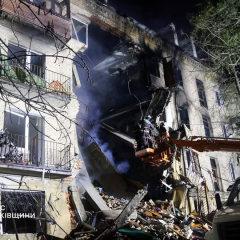
According to 5 канал: The Verkhovna Rada's National Security Committee has stated that there is no information indicating a halt in intelligence sharing from the United States. This update comes from Oleksandr Fediyenko, chair of the parliamentary subcommittee on cybersecurity. Despite no confirmed suspension of intelligence data, delays have occurred in ballistic missile warnings, notably during the October 12 attack in Kyiv.
Military experts have verified that the Ukrainian Armed Forces' air defense detected a delayed activation of sirens in the capital during the ballistic assault. Fediyenko explained that the warning lag linked to S-400 missile strikes might stem from the unique flight characteristics of these weapons. He noted,
"Unlike other missiles, the S-400 follows a slightly different trajectory. They are challenging to detect due to their high speed. Our partners have repeatedly struggled to track this class of missiles, which is related to how these ballistic missiles fly."
Technical Challenges in Early Warning Systems
Specialists emphasize that the technical complexities in identifying ballistic threats contribute to such delays. These issues have been reported both in Kyiv and in frontline regions. Military personnel are actively addressing system malfunctions in early missile launch detection and are collaborating with international partners to analyze the satellite data transmission chain.
Fediyenko also highlighted that even if U.S. intelligence sharing were to cease,
"Ukraine can still receive ballistic missile warnings from other countries."
He added that many nations, including the U.S., are invested in receiving information from Ukraine, as the ongoing conflict on Ukrainian soil serves as a critical learning environment for their military forces.
Overall, the situation regarding missile threat alerts remains complex, with Ukrainian defense experts continuously working to enhance the system’s reliability.
This situation underscores the crucial role of international security cooperation, as delays in warning systems can significantly impact Ukraine’s defense capabilities. Given potential shifts in U.S. intelligence support, strengthening ties with other countries is essential for Ukraine to maintain timely threat responses and national security.
As the situation evolves, an investigation into the delays in missile alerts prior to the recent attack on Kyiv highlights the pressing need for examining the effectiveness of existing warning systems. Understanding these issues is crucial, as they directly impact the operational readiness of Ukraine's defense forces amidst ongoing threats.

Read also