Finnish President Warns Middle East Conflict Could Disrupt Russian-Iranian Military Ties

How Middle East Tensions Could Impact Military Cooperation
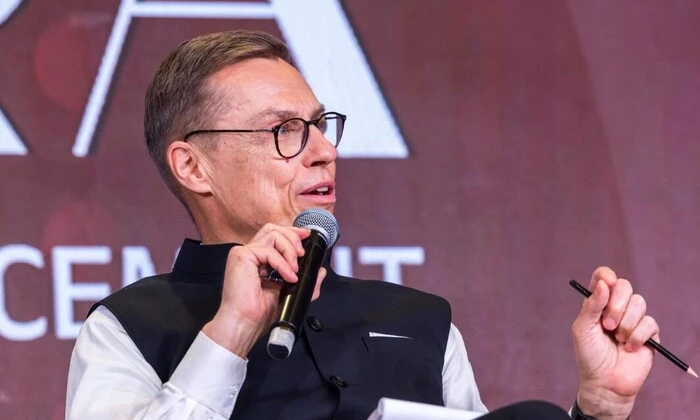
According to Главком: During a state visit to India, Finnish President Alexander Stubb stated that the ongoing conflict in the Middle East is likely to hinder military collaboration between Russia and Iran. He observed that, at present, these two nations are unable to cooperate in areas such as missile technology or defense industry projects. This assessment comes as both countries face increasing international isolation.
President Stubb also emphasized that rising global oil prices would significantly bolster the Russian economy. He remarked:
"Essentially, the increase in oil prices will fuel the Russian war machine."
- Alexander Stubb
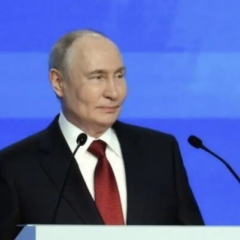
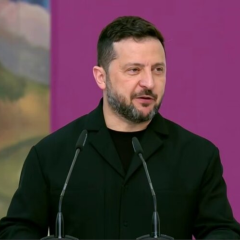
This statement is underscored by Russia's role as a major global producer and exporter of crude oil. In a related diplomatic context, Ukrainian President Volodymyr Zelenskyy has expressed skepticism regarding Russian leader Vladimir Putin's statements about a potential end to the war, highlighting the persistent regional tensions.
Geopolitical Landscape and Economic Pressures
The comments from Stubb and Zelenskyy illustrate the complex geopolitical environment surrounding Russian-Iranian relations, set against a backdrop of global economic challenges. The situation in the Middle East holds the potential to reshape military alliances and economic strategies, which could influence the trajectory of ongoing conflicts.
The surge in oil prices, which stimulates the Russian economy, may complicate international efforts to curb Russia's military activities. Consequently, the response from the global community to these developments could prove to be a decisive factor in shaping the future geopolitical landscape.

Read also