Discover Batanes: The Philippines’ Northernmost Archipelago Showcasing Distinct Culture, Nature, and Traditions

The Batanes Archipelago
According to I am Aileen: Located at the northern tip of the Philippines, the Batanes archipelago consists of 10 islands, with only three inhabited: Batan, Sabtang, and Itbayat. Batan Island, the largest and most populated, is divided into six districts, with Basco serving as the provincial capital. Situated roughly 190 kilometers south of Taiwan, Batanes is the country's smallest province by population, home to just over 16,000 residents. The locals, known as the Ivatan people, speak the Ivatan language.
Since the mid-2000s, Batanes has been steadily rising in popularity among travelers and is currently on the UNESCO World Heritage tentative list. The islands enjoy a cool and breezy climate, earning them the nickname “Home of the Winds.” Unlike many parts of the Philippines, Batanes is not frequently struck by typhoons. The warmest months are from March to May, while November through February are cooler. Safety is a notable feature here, with crime rates being extremely low or nonexistent, making it an inviting destination for visitors.
Exploring Batanes: Tourism and Traditions
Travelers can reach Batanes by flights costing between 4,000 and 10,000 Philippine pesos one-way. On the islands, transportation mainly includes bicycles, motorcycles, jeepneys, and motorized boats called falua-traditional vessels without outriggers used to navigate between islands. Due to the remote setting, internet and mobile signals can be unreliable, especially outside Basco or during bad weather.
Visitor registration is regulated, and most land is owned by the Ivatan community, with strict limitations on land sales to outsiders. The archipelago is rich in cultural celebrations, including Batanes Day on June 26 and various local fiestas held in municipalities like Ivana, Uyugan, Diptan, Mahatao, Basco, and Sabtang.
Key attractions include the famed Honesty Coffee Shop in Ivana, where customers pay via an honor system with no staff present. Historical sites offer glimpses into the past, such as the remains of the LORAN station in Uyugan, the Japanese tunnel Diphnaisupuan in Basco, and centuries-old churches like San Carlos Borromeo, originally built in 1787 and restored in 1873.
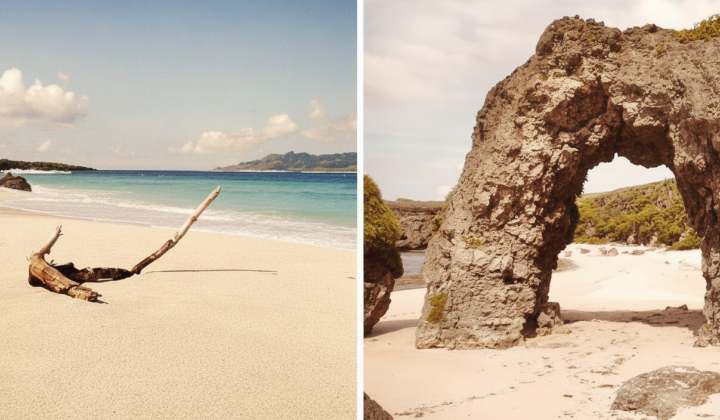
Visitors can immerse themselves in natural beauty at spots like Chadpidan and Nakabuang beaches, the Homoron Blue Lagoon, and the Naidi Hills, home to the Basco Lighthouse. The local cuisine is another highlight, featuring specialties such as “payi” (lobster), “tatus” (coconut crab), and a variety of fresh seafood. Notably, the coconut crab (Birgus latro) has been a protected species in the Philippines since 2001.
Traditional Ivatan attire includes distinctive headwear: women wear the vakul while men don the talugong. Engaging in local festivals and sampling native dishes offer visitors a deeper connection to Ivatan culture. As locals warmly say,
“Kapian kamu pa nu dios!”
which reflects their welcoming spirit.
Batanes stands out as a rare destination where rich culture, stunning landscapes, and a peaceful environment come together. Its nomination for UNESCO World Heritage status highlights the importance of preserving its unique heritage while promoting sustainable tourism. For travelers seeking a safe and authentic experience, Batanes offers a compelling blend of natural wonders, vibrant traditions, and culinary delights, making it a gem within the Philippine archipelago.

Read also