European Leaders Fear US-Iran Tensions Could Undermine Support for Ukraine

How US-Iran Tensions Could Impact Aid to Ukraine
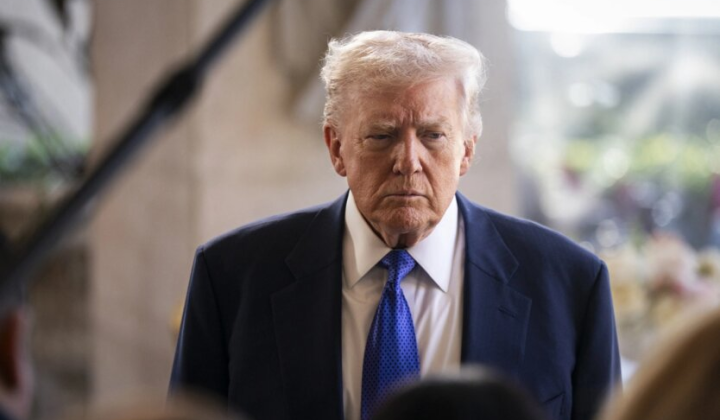
According to ХВИЛЯ: European leaders are growing increasingly concerned that the escalating conflict between the United States and Iran could divert crucial American attention and resources away from supporting Ukraine. This worry stems from fears that Washington's strategic focus may shift from Eastern Europe to the Middle East. US President Donald Trump has criticized European allies for what he sees as insufficient contributions to safeguarding freedom of navigation in the Strait of Hormuz, a vital chokepoint for roughly 20% of the world's oil exports. In response, European nations are attempting to demonstrate their commitment and readiness to support stability in the Persian Gulf region.
Further straining transatlantic relations, Trump has labeled NATO a 'paper tiger,' highlighting his dissatisfaction with the military alliance. Prominent European figures, including French President Emmanuel Macron, British Prime Minister Keir Starmer, and Finnish President Alexander Stubb, have all voiced their apprehensions regarding this geopolitical friction.
"A rift is now emerging between Europe and the US. I regret this-but it is the reality I have to live with." - Alexander Stubb
The situation has intensified with Iran's effective blockade of the Strait of Hormuz, raising alarm among global leaders. To help secure this critical maritime route, the United Kingdom, France, Germany, Italy, the Netherlands, Canada, and Japan have issued a joint statement pledging their support. British Prime Minister Keir Starmer has even offered the US access to British military bases for potential strikes against Iranian targets that threaten shipping. This Middle Eastern crisis presents a direct challenge to Western unity on Ukraine, as resources and political capital are finite.
In a separate diplomatic development, the United States rejected a Russian proposal for an intelligence swap. Russia had offered to cease sharing intelligence with Iran if the US stopped providing Ukraine with intelligence on Russian activities. Meanwhile, Ukrainian negotiators met with Trump's emissaries, Steve Witkoff and Jared Kushner, in the United States last weekend to discuss future avenues for cooperation.
International Cooperation and the Future of Ukrainian Aid
The overall climate remains tense, with international events holding significant potential to reshape the level of support for Ukraine. European countries are striving to maintain unity and active assistance for Kyiv even as the US-Iran conflict persists.
This scenario underscores the critical importance of international cooperation when facing global threats. The ripple effects of the US-Iran confrontation on aid to Ukraine could substantially alter the regional dynamic, forcing European nations to balance their own security interests with their commitments to Ukraine. The evolving situation in the Strait of Hormuz is likely to be a key factor influencing not only Washington's next moves but also those of its European allies as they navigate continued support for Ukraine's struggle for independence and territorial integrity.
The shifting dynamics in the Middle East not only pose risks for regional stability but also have significant implications for the ongoing conflict in Ukraine. As European leaders grapple with the possibility of diminished US support, understanding how these geopolitical tensions intertwine is crucial. For a deeper analysis of the impact of the US-Iran crisis on the war in Ukraine, you can read more here.

Read also