New Study Reveals Creatine Boosts Cancer-Fighting Immune Response

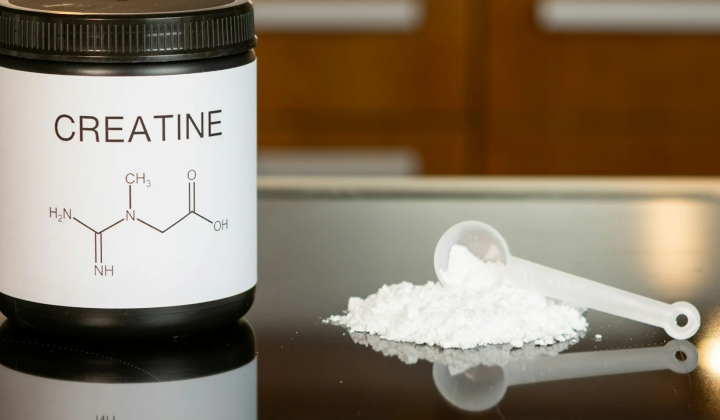
How Creatine Enhances Immune Activity Against Tumors
According to НВ — Техно: Published in iScience on July 8, a study has found that creatine activates dendritic cells-key immune cells responsible for detecting tumors-and directs killer T-cells to destroy malignancies. Experiments conducted on mice with melanoma and on human cells confirmed creatine's effectiveness in this role. However, it is worth noting that this research has not yet undergone clinical trials in humans.
Lead author Professor Li Yang stated that 'creatine does not just help individual cells; it restarts the entire infrastructure that coordinates the immune response.'
In mouse experiments, researchers observed increased activity in the creatine transporter gene within dendritic cells. When these cells were artificially engineered without this transporter, they lost their ability to prime T-cells for attack. Daily injections of creatine into mice with melanoma slowed tumor growth and increased the number of active dendritic cells.
Creatine's Impact on Immune Cell Function
The study also revealed that creatine boosts ATP levels in immune cells. Tests on human cells confirmed that creatine improves dendritic cell activation for producing cancer-fighting vaccines.
Co-author James Elsten-Brown emphasized that 'the supplement can be used in two ways: to support patients undergoing immunotherapy and to enhance the quality of anti-tumor vaccines before they are introduced into the body.'
Currently, immunotherapy methods are effective in only 20-40% of patients. Based on these findings, the University of California has filed a patent application. This discovery could represent a significant step toward new cancer treatment strategies.
Given that creatine has proven effective in activating immune cells, it may open up new possibilities for treating oncological diseases. It is important to note that further research, including clinical trials in humans, is critical to verify the safety and efficacy of creatine in cancer therapy. The results of this study could substantially influence approaches to immunotherapy and the development of new drugs.
While the recent study highlights creatine's promising role in enhancing immune responses against cancer, it's important to consider its effects on other health conditions. For instance, some research indicates that creatine may not be effective in treating depression. Understanding the full spectrum of creatine's impact could inform its potential applications in both cancer therapy and mental health.

Read also