Kremlin Accuses Europe of Contradiction Over Plans to Increase Support for Ukraine

The Kremlin’s Stance on European Nations
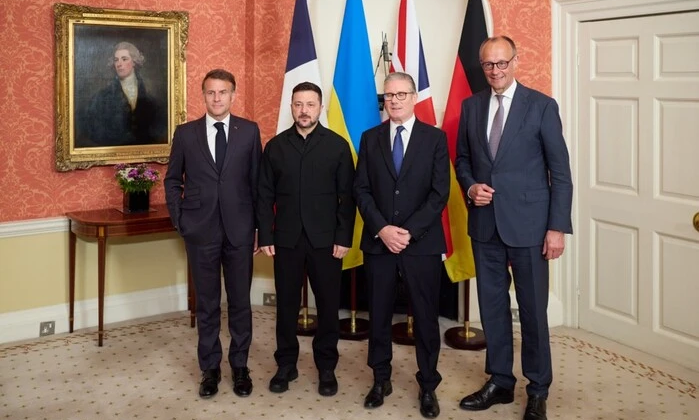
According to Главком: The Kremlin has described the position of European countries regarding the end of the war in Ukraine as inconsistent. This statement came in response to the outcomes of recent talks involving the leaders of Ukraine, the United Kingdom, France, and Germany, held in London. Following the meeting, a joint statement outlining conditions for a potential peace was released. At the same time, the UK, France, and Germany announced plans to ramp up military aid to Ukraine-a move the Kremlin argues contradicts their peace-oriented rhetoric.
Europe and Ukraine’s Intentions
Kremlin spokesperson Dmitry Peskov stated that
“their approach to a peaceful resolution of the conflict is contradictory.”
According to him,
“EU countries simultaneously advocate for negotiations-while continuing to supply Ukraine with weapons and develop its defense capabilities.”
Peskov also claimed that the war could be ended within a day if Kyiv meets Russian demands. Russian President Vladimir Putin has previously expressed readiness for a political settlement, contingent on changes to the status of certain territories, a neutral status for Ukraine, and the lifting of sanctions.
Five days ago, it was reported that Europe and Ukraine are preparing a plan to engage Russia in peace talks. Among the conditions that may be proposed are:
- an immediate ceasefire as a first step toward peace;
- using the current front line as a starting point for negotiations between Ukraine and Russia;
- providing Ukraine with reliable and legally binding security guarantees, including the deployment of multinational forces;
- keeping frozen Russian assets in place until the war ends and damages are compensated;
- taking into account the interests of the EU and NATO, in coordination with member states.
As a result, the Kremlin’s stance toward European nations and their intentions to support Ukraine in the context of peace negotiations remains complex and contradictory. The significance of these talks is underscored by the international community’s efforts to find a solution for stabilizing the region and ensuring Ukraine’s security. At the same time, ongoing Western military aid to Ukraine indicates that the conflict remains active, and a resolution will likely require a compromise acceptable to all parties. Consequently, the next moves by international players could significantly shape the trajectory of peace talks and the broader situation in the region.
As tensions continue to escalate, Ukraine's recent announcement of its willingness to engage in direct negotiations with Putin highlights the complexities of the ongoing conflict. This potential shift in diplomatic efforts could significantly impact the dynamics between European nations and Russia, as they navigate the delicate balance between military support for Ukraine and the pursuit of peace.

Read also