Cuba on the Brink: The Escalating U.S. Pressure and the Island's Deepening Crisis

Cuba's Economic and Energy Emergency
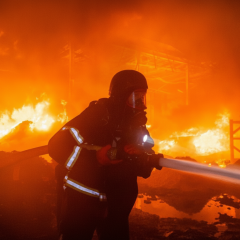
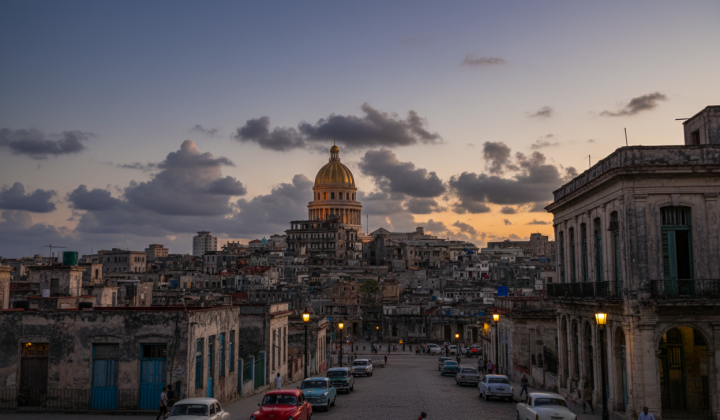
According to Главком: Cuba is grappling with a severe economic and energy crisis, driven by a critical oil shortage and widespread power blackouts. The country recorded its tenth major electricity failure since February 2024 earlier this week, sparking protests that have, in some areas, escalated into clashes. The Cuban government reports the nation has been without oil shipments for three months. Domestic oil production in 2024 is meeting less than 30 percent of the country's needs. This dire situation has drawn comparisons to the worst period following the Soviet Union's collapse, when real incomes in Cuba plummeted by 90 percent over four years. This crisis is unfolding just 90 miles from the United States, drawing intense geopolitical scrutiny.
Political and Social Strains Intensify
The crisis worsened after the January 2024 arrest of Venezuelan President Nicolás Maduro, which led Venezuelan Vice President Delcy Rodríguez to halt oil shipments to the island. The United States has further complicated the situation by blocking maritime routes to Cuba since late January. Cuba's economy has been contracting since the start of the Covid-19 pandemic in 2020, shrinking by an average of 2.75 percent annually, with a projected five percent decline forecast for 2025.
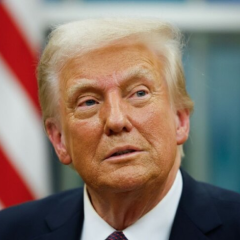
Amid these events, Cuban leadership has confirmed talks with U.S. representatives, made possible after increased pressure from the administration of Donald Trump. During his first term from 2017 to 2021, Trump halted efforts to normalize relations with Cuba and tightened sanctions against the country.
Elias Amor: 'The Cuban economy is in its worst state since the 'Special Period'.'
Experts note that even tourism can no longer stem this crisis, as the engines of the economy are completely paralyzed. According to data from the human rights organization Prisoners Defenders, 1,214 political prisoners were being held in Cuba at the end of February. The internal political climate remains tense, though the state apparatus-including the Communist Party, security forces, and the military-economic system (GAESA)-remains relatively cohesive, according to expert María José Espinosa.
Ted Henken: 'It is the Castro family that controls and manages negotiations with the United States.'
Facing heightened U.S. pressure and internal problems, Cuba confronts challenges that could significantly shape its future. The government now faces the question of what leverage it can wield against the United States in this complex situation, and whether it will yield to external pressure.
The situation in Cuba is the result of years of economic hardship and political challenges, particularly those linked to U.S. foreign policy. The lack of oil supplies and energy problems are fueling social tension, which could have serious consequences for the country's stability. Negotiations with the U.S. could prove critically important for Cuba, though their outcome depends on many factors, including internal and external conditions, as well as international policy toward the island.
As the situation in Cuba intensifies, the U.S. administration is reportedly exploring measures to influence the island's leadership and potentially establish greater control over its governance. This development highlights the increasing geopolitical stakes surrounding Cuba, especially in light of the recent economic turmoil. To understand the implications of these actions and the potential outcomes for Cuba's future, read more about the U.S. push for regime change that could reshape relations in the region.

Read also