Beans Call on Wasps for Help Against Caterpillars

How Beans Use Natural Defenses to Fight Pests
According to НВ — Техно: May 28, 5:00 PM
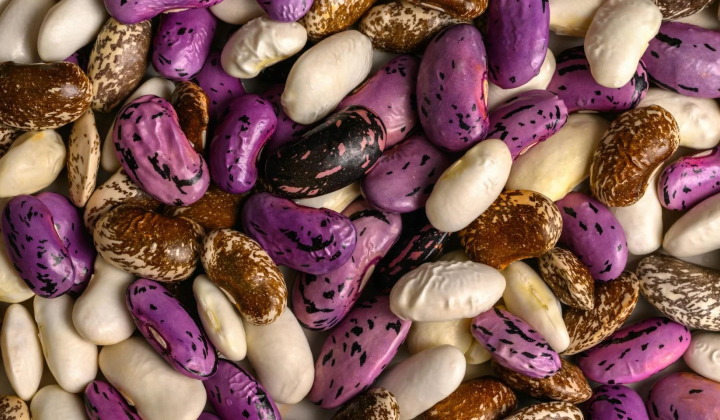
Scientists have discovered that common beans of the species Phaseolus vulgaris-which includes red, black, and white varieties-can release volatile compounds that attract wasps. This plant defense mechanism against caterpillars relies on recognizing a peptide called inceptin, found in caterpillar saliva. A key element in this process is a special receptor on the surface of bean leaves, which triggers an immune response that causes the plant to emit volatile substances that lure wasps.
Experiments and Results
The experiments were conducted in 2023 and 2024 in the Mexican state of Oaxaca. Researchers grew beans in pairs: one plant with inceptin receptors, the other lacking the gene responsible for producing them. Some plants were treated with caterpillar saliva, some with pure In11 peptide, and others were damaged with a blade and moistened with water. For the study, dead caterpillars of the species Spodoptera frugiperda were attached to the plants.
Results showed that plants without inceptin receptors attracted 40% fewer wasps after being treated with caterpillar saliva or the In11 peptide. This highlights the receptor's importance in activating the bean's defense mechanisms. However, after ordinary mechanical damage, no difference in wasp attraction was observed. Without inceptin receptors, the plants do not produce the characteristic set of volatile compounds, further confirming their role in shaping the response to threats.
Researchers emphasize that 'inceptin recognition not only amplifies the response to damage but also triggers a separate immune mechanism that causes the release of a specific blend of volatile compounds to attract predatory wasps.'
According to the authors, this discovery could help develop ways to protect crops without using pesticides, marking an important step toward sustainable agriculture.
This study underscores the significance of natural plant defense mechanisms and their potential applications in agronomy. Amid growing concerns over the use of chemical pesticides, such findings could spur the development of new, environmentally friendly methods for crop protection. Future research may focus on examining other plants that might possess similar defense mechanisms, helping to reduce reliance on synthetic agents in agriculture.

Read also