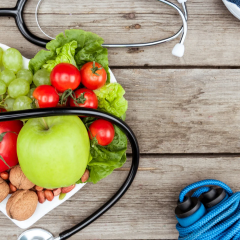
Summer Foods for Better Health and Weight Loss: What to Add to Your Plate

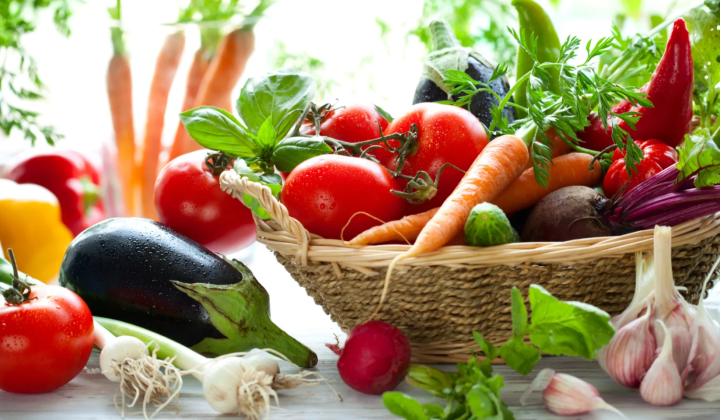
Summer Foods for Health and Weight Control
According to НВ — Техно: Incorporating summer-friendly foods into your daily diet can support both health and weight management. Experts recommend consuming around four and a half cups of fruits and vegetables and three servings of low-fat or non-fat dairy products each day. This advice is especially relevant during warmer months, when fresh produce is abundant and hydration becomes even more critical. Among the most beneficial summer options are:
- Tomatoes
- Peppers
- Berries
- Legumes
- Mangoes
- Water
These items are not only low in calories but also packed with essential nutrients that positively affect the body.
Tomatoes and peppers deliver vitamins A and C, along with lycopene. A medium tomato contains roughly 35 calories, providing 40% of the daily recommended intake of vitamin C and 20% of vitamin A. Half a cup of pepper offers over 230% of the daily vitamin C requirement for just 20 calories. Emily Abercrombie, a clinical dietitian at Emory Hospitals in Atlanta, notes:
'Research shows that a diet rich in tomatoes may lower the risk of prostate cancer and other digestive tract cancers.'
Yogurt, a staple in summer eating, is an excellent source of calcium and protein. Legumes, which should be part of daily meals, provide protein and fiber in a very accessible form. The calorie content of a 113-gram serving of legumes ranges from 65 calories (frozen peas) to 115 calories (cooked black-eyed peas), with the highest being 160 calories for borlotti beans.
The Importance of Berries and Mangoes
Berries are another key component of summer nutrition. A serving of berries contains about 45 calories. Andrea Dunn, a dietitian at the Cleveland Clinic, emphasizes:
'Berries are rich in ellagic acid-a compound that acts as an antioxidant, helps the body neutralize certain carcinogens, and slows the growth of cancer cells.'
Berries may also help prevent urinary tract infections.
Mangoes, a tropical fruit, have been consumed in Southeast Asia and India for over 4,000 years. A medium mango contains roughly 95 calories. One cup of mango provides about 76% of the daily requirement for vitamin C. As Andrea Dunn states: 'Mangoes not only deliver a quarter of the daily vitamin A needs but are also an excellent source of vitamin C, making them a great alternative to oranges.'
Water plays an equally vital role in a summer diet. An adult's body is composed of about 60% water, and a person loses roughly one cup (240 ml) of fluid daily through normal activity. A typical daily diet provides around four cups of water from food alone. Water is the most crucial 'food' in any diet, as it maintains hydration and supports overall well-being.
In summary, summer foods such as vegetables, fruits, dairy products, legumes, berries, mangoes, and water not only promote health but also aid in weight management. Including these items in your daily diet can positively influence your overall condition and help prevent many diseases.
Healthy eating during summer is a key aspect of maintaining general health, especially given high temperatures and increased physical activity. Fruits and vegetables rich in vitamins and minerals help prevent excess weight while boosting immunity-particularly important during cold and flu season. Following these recommendations can form the foundation of a balanced diet, which is essential for people of all ages.
While focusing on summer foods for health, it's also essential to consider the impact of vitamin deficiencies, particularly in older adults. Recent studies reveal that even during the sunny months, many individuals may still lack adequate vitamin D levels. Understanding the connection between diet and nutrient absorption can help enhance overall well-being. For more insights on this issue, explore our article about the ongoing vitamin D deficiency in older British adults and its implications.

Read also